
Intro: A Night the Crowd Won’t Forget
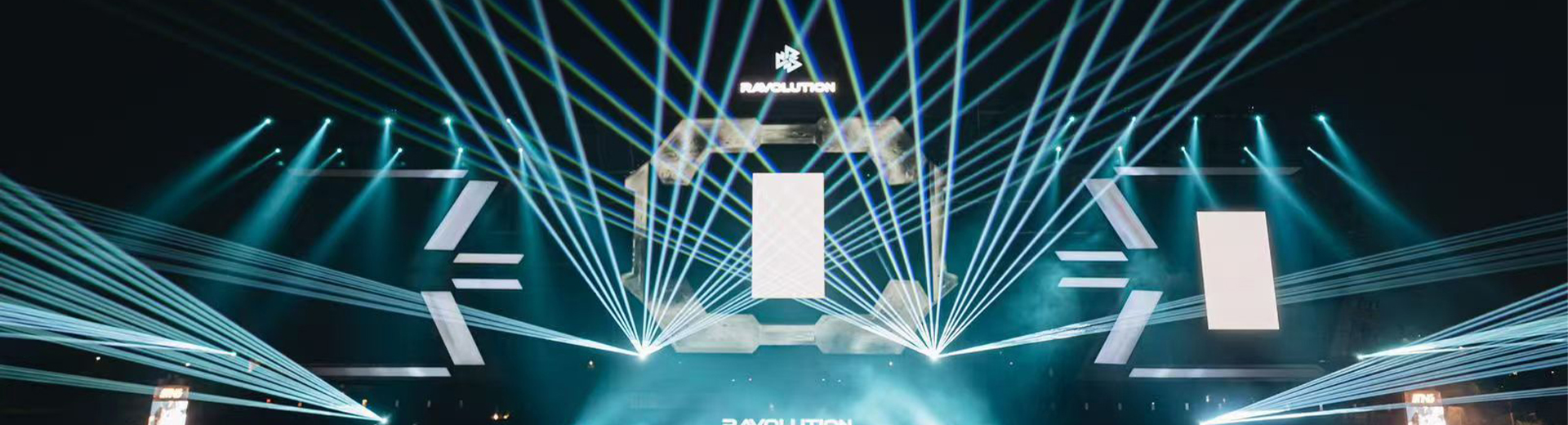
A street festival spills into dusk, the stage breathing fog, the skyline pulsing with music. In the second row, you catch the first sweep of laser lights crossing through a mild haze, pulling clean lines across the night like a pen over ruled paper. Last season, planners said fixtures and truss ate 40% of setup time and still missed sightlines in tight spaces—numbers that burden a budget and a crew. But what if those lines of light could be tuned like audio, aimed like cameras, and measured like networks? What if the same rig could scale from a foyer to a stadium without hauling a truck of extras (cables, cages, contingency)? And here’s the question: are we still treating beam control as an add-on, when it should be the plan? This story looks at how that shift reshapes cues, cost, and crowd experience, and why the old approach often stumbles when terrain and time get rough. Let’s pull back the curtain and see where precision takes the lead next.
Deeper Layer: The Hidden Flaws in Traditional Rigs
Where do legacy rigs stumble?
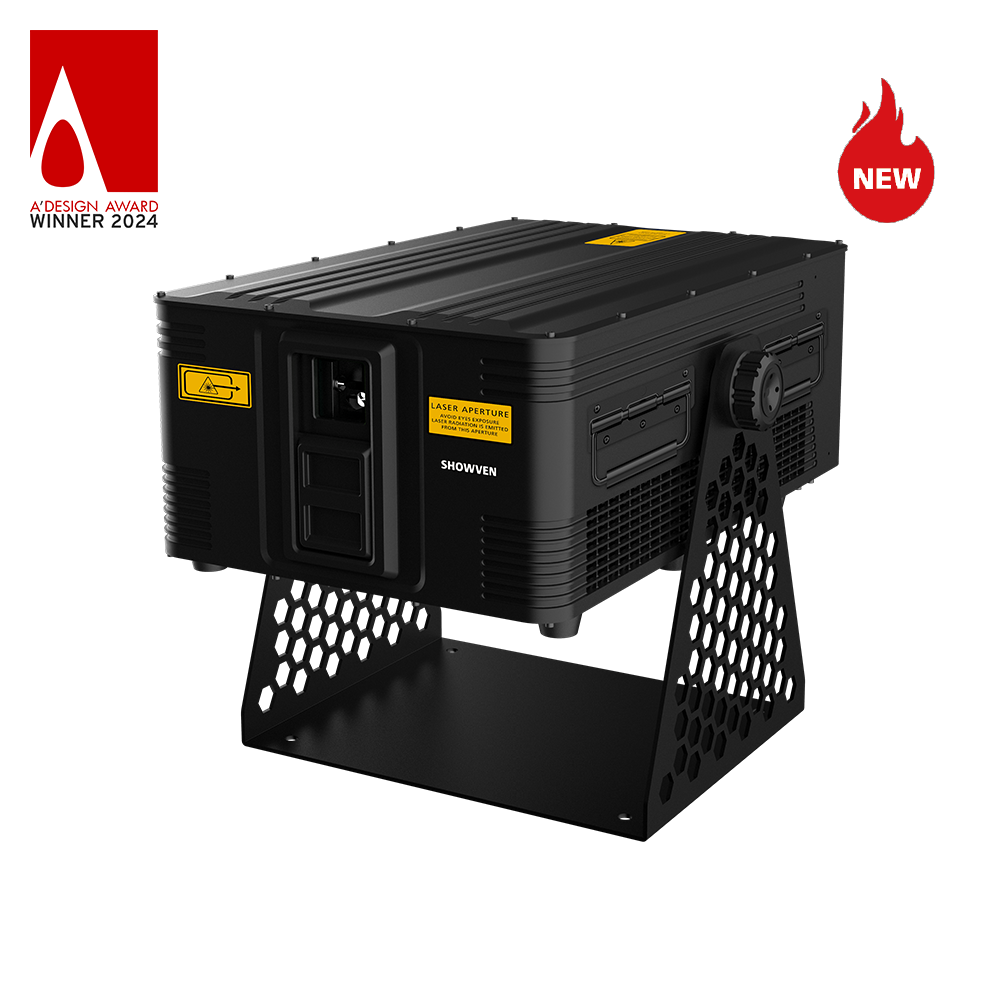
In that festival scene, standard wash and spot arrays fought spill, height limits, and haze inconsistency. A laser show projector approaches the same problem with control at the beam level. Instead of chasing lumens alone, it uses galvanometer scanners to place light, calibrates beam divergence to hold shape over distance, and runs cues over ILDA or Art-Net with millisecond timing. Traditional fixtures rely on brute-force output and wide optics; they flood, then mask. That wastes power, adds heat, and eats dimmer channels. Look, it’s simpler than you think: when the beam is the feature, optics and motion become the mix, not the patch. And the result is consistent geometry, even when the ceiling dips or the haze shifts.
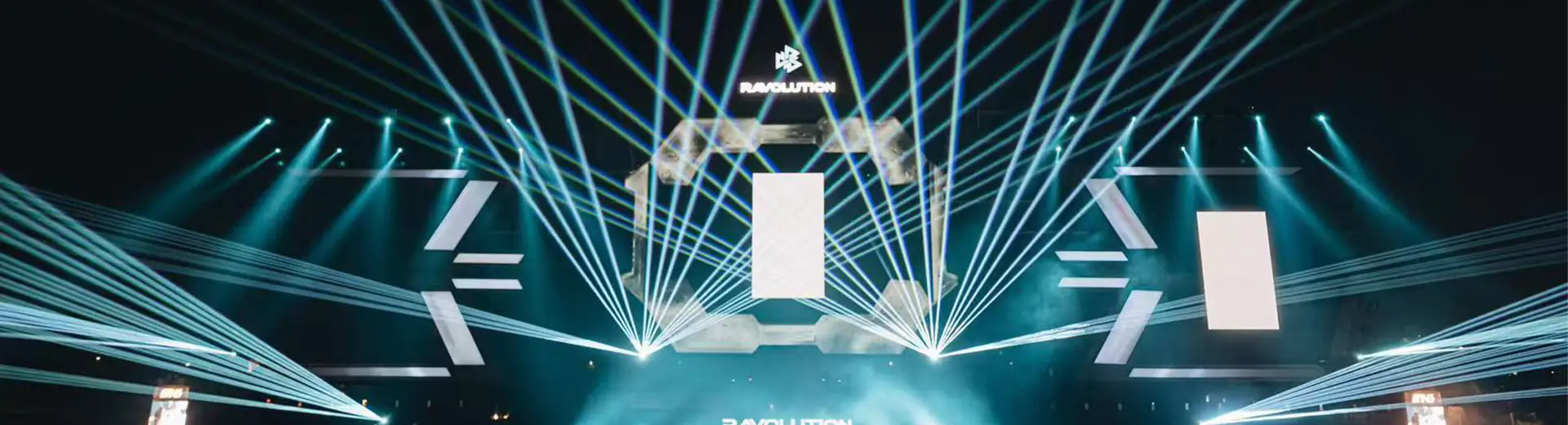
Legacy gear hides other pain points. DMX chains stretch, latency creeps, and power converters groan under daisy-chained loads. You see flicker when refresh rates clash, color fringing when alignment drifts, and noise when fans fight heat. Operators ride faders to “fix” a geometry problem that belongs in the scanner path and PID tuning, not in the dimmer. Add transport limits and outdoor IP ratings and you get a fragile stack: more fixtures, more failure modes, more time. The deeper flaw isn’t brightness. It’s precision and repeatability under real-world variables.
Comparative Insight: Principles That Point Forward
What’s Next
Moving from big floods to beam-first thinking changes both the map and the math. A modern control path treats each vector as data. In practice, that means FPGA-based signal handling for smooth curves, edge filtering to prevent corner chatter, and calibrated optical attenuation rather than crude shutter tricks. Compared with legacy arrays, you get fewer fixtures, cleaner mids, and a quieter rig because fans spin less and power supplies sip, not gulp. When planners swap a wall of pars for a tuned scanning engine, the stage gets space back—people notice that. And yes, LEDs still win for wash, but the lines that carry emotion? Those live in precise vectors. Add distributed sync—tiny edge controllers close to the head—and you reduce cable runs while holding sub-frame alignment across truss spans. It’s a small change, big effect—funny how that works, right?
Real-world impact shows up fast. One arena tour cut rig time by a third by consolidating into fewer heads and standardizing on calibrated scan speeds at 30Kpps, with verified ILDA test frames to keep geometry honest. Another outdoor show mixed a compact beam grid with selective haze, preserving sightlines for broadcast while maintaining punch at 70 meters. Here’s how to choose wisely as lasers lighting moves center stage: first, scan performance under load—look for stable tracking at your typical projection angle and speed, not just spec-sheet peaks. Second, beam quality over distance—measure divergence and edge integrity at the furthest throw you’ll use. Third, system resilience—check IP rating, thermal headroom, and PSU efficiency so cues stay clean when weather or runtime gets messy. Different stages, same goal: control the line, then the space, then the mood. Brands and builders that keep that order will set the pace for seasons to come—including partners like Showven Laser, who keep pushing the practical parts forward.