Introduction: Why the choice matters (and how many get it wrong)
Ever ordered a piece of equipment that looked great in the spec sheet and then watched it sit idle for weeks? I’ve seen that happen more times than I care to count. As someone who talks to factories and engineers, I can tell you a wet wipes machine manufacturer in the brochure is not the same as the partner on your shop floor.
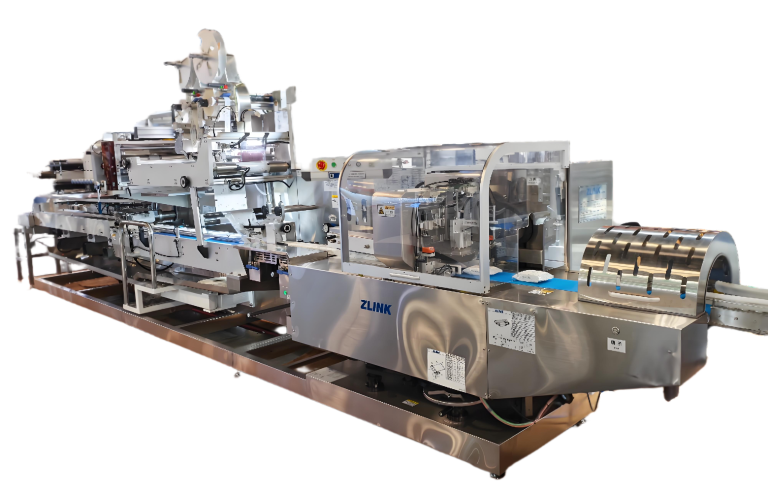
Here’s the scene: a mid-size brand ramps up, they buy a machine promising 3,000 wipes per minute, but real throughput drops by 20–30% once you add real-world constraints like raw material variation and line integration. So—how do you avoid that painful mismatch? (Spoiler: it’s not just about max speed.)
In the sections ahead, I’ll walk through where suppliers commonly fall short, what hidden headaches operators face, and how next-gen principles can actually help you choose smarter tools and partners.
Part 2 — Deep Dive: Traditional solution flaws and hidden user pain points
Let me start with a quick definition: a typical wet wipes production line combines unwinding, impregnation, cutting, folding, and packaging, all coordinated by automation hardware like PLC controllers and servo motors. When I explain that to shop-floor teams, they nod — but then real trouble shows up during integration. One big flaw I see repeatedly is a one-size-fits-all control approach. PLC programs are often designed for an “ideal” roll quality, not the real variations you’ll run. The result? Frequent jams, inconsistent cutting, and an uptick in rework. Look, it’s simpler than you think: variability kills throughput faster than any quoted top speed.
Another hidden pain point is after-sales support. Manufacturers often sell a whole line (turret rewinder, ultrasonic sealing modules, motion control) yet treat commissioning as a checkbox. Operators need prompt firmware updates, clear diagnostics for servo motors and power converters, and remote access sometimes via edge computing nodes. I’ve watched teams lose days waiting for a specialist to fly in — costly and avoidable. What’s worse, documentation is too often written like a legal brief rather than a troubleshooting guide, so your maintenance crew spends time guessing. If you want better uptime, demand real integration tests and readable manuals before you sign.

Why do these gaps keep happening?
Short answer: vendors optimize for specs, not scenarios. They sell capacity numbers; customers live with variability. That mismatch breeds costly compromises — and people blame the line, not the specification process.
Part 3 — Looking Ahead: New technology principles and practical choices
What if we flipped the conversation? Instead of chasing peak rpm, I’d encourage you to evaluate principles that matter for daily reliability. Modern wet wipes production line designs are moving toward modularity, better human-machine interfaces, and predictive maintenance. I’ve spent time with teams testing advanced sensors and found that simple additions—like web tension feedback loops and more intelligent servo motor profiles—reduce off-spec runs dramatically. These aren’t toys; they’re practical fixes that cut scrap and labor hours. Also, integrating a clear PLC architecture with version control makes future changes less risky.
In practice, you should prioritize three things: robust diagnostics that your technicians can actually use, modular components that are easy to swap (no 48-hour waits for a rare part), and supplier transparency on real-world performance. Trial runs with your actual substrate and wipes solution are non-negotiable. I recommend insisting on on-site or virtual commissioning that runs your recipes—because lab numbers don’t always translate. — funny how that works, right?
What’s Next — Practical steps and metrics to choose by
To wrap up, here are three concrete evaluation metrics I use when advising clients. First, mean time to repair (MTTR): ask suppliers how long a typical fix takes and who performs it. Second, real throughput under your material conditions — not a dry spec. Third, diagnostic coverage: how many failure modes are reported clearly to a technician without vendor help? Test for all three during acceptance trials. I also keep an eye on spare parts lead times and whether the control stack supports remote debugging (edge computing nodes again).
We’ve covered the traps, the real pains, and the tech that helps. I prefer partners who show me failure modes upfront, who accept testing with our materials, and who give readable docs for the crew. If you want a reliable transition from prototype to full-scale runs, check supplier commitments—warranty terms, support SLAs, and training offerings matter. For operators looking for a vendor that aligns with these principles, I point them to providers with proven on-site commissioning and clear service paths. And yes — I’ve seen the difference it makes.
For anyone still weighing options, take these lessons to your next supplier meeting. Ask for real-case test reports, demand transparent MTTR numbers, and make sure the contract includes thorough commissioning. If you want a starting point, consider talking to ZLINK — they’ve worked with teams to close these exact gaps. I’ll say it plainly: choose partners who work with you, not just for you.