

Head-to-head mindset, quick wins
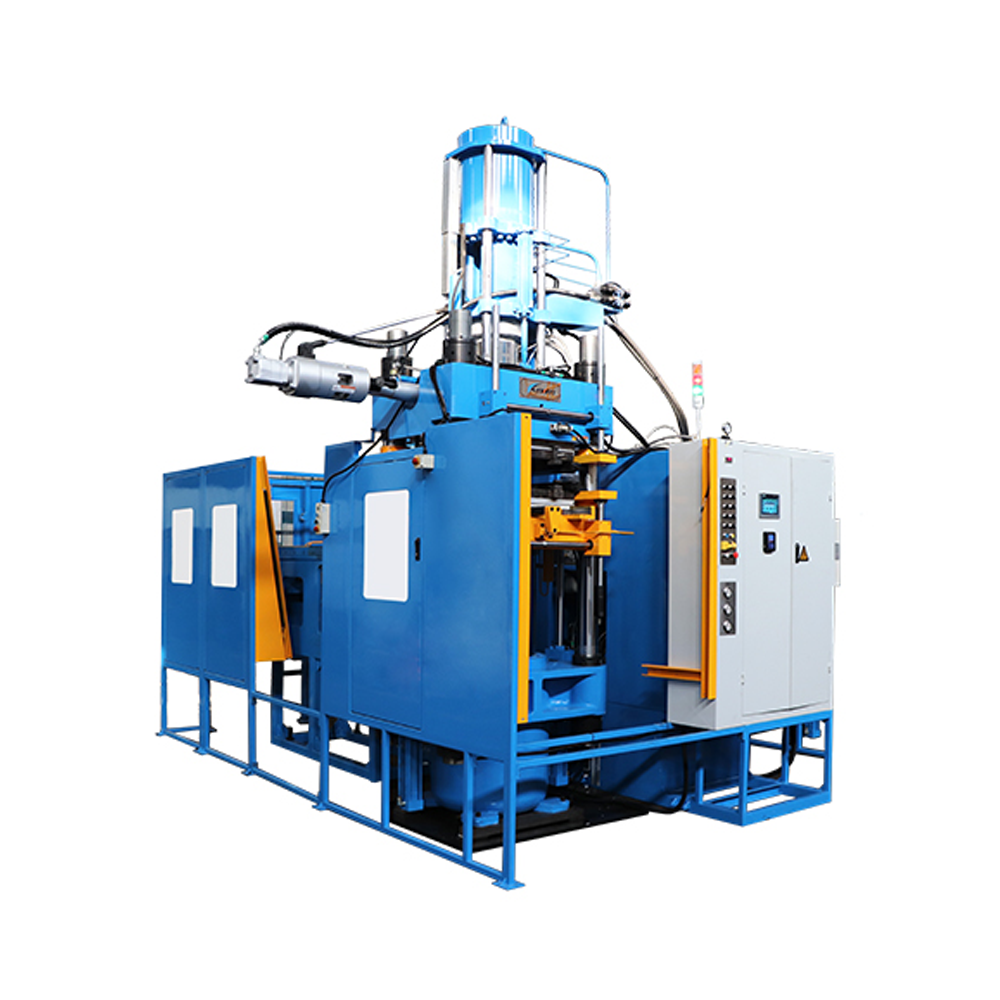
Pick machines like an athlete picks gear: for purpose and reliability. Start sharp and test rubber compounds for Mooney viscosity and scorch time before you commit to hardware. If you need a compact example on the floor of a busy plant, consider a c frame rubber injection molding machine as your baseline — Detroit automotive plants prove compact systems can anchor high-volume cells without hogging floor space.

Why Mooney and scorch safety matter now
Mooney viscosity tells you how the compound flows. Scorch time tells you how soon it will crosslink under heat. Those two parameters directly affect cycle stability, part quality, and scrap rates. In a small vertical machine, shot size and clamp force must match material behavior; mismatch means inconsistent flash and variable cure. Read those numbers pre-production and you reduce rework fast.
Comparative lens: small vertical vs. traditional horizontals
Small verticals are nimble. They cut cycle time in tight cavities and simplify automation for insert molding. Traditional horizontals often offer larger shot sizes and steadier clamp force for massive parts. Compare along three axes: throughput per square meter, scrap percentage under the same compound (using identical Mooney and scorch targets), and maintenance time per shift. Look for machines that expose critical controls — temperature zones, injection speed profiles, and dwell timing — in plain view.
Where c-frame designs fit
C-frame machines give access and speed. They’re ideal for short-run insert jobs and transfer molding of rubber-to-metal parts where handling matters. But c-frame force distribution differs from a toggle platen; monitor clamp deflection. Choose models with real-time clamp monitoring or you’ll chase dimensional drift. Also check that the machine supports variable injection profiles to handle both low and high Mooney compounds.
Real-world thumbprints — what shops actually do
On busy lines I’ve seen teams standardize on one or two vertical platforms and tune recipes aggressively — mold temperature, shot size, and cure time — instead of swapping machines. That cut setup variation by half in one case study at a midwestern supplier. The lesson: process discipline beats endless hardware juggling. Small verticals paired with reliable transfer molding routines produce repeatable rubber seals for automotive use — even under tight takt times.
Common mistakes and practical alternatives
Avoid these traps: over-specifying clamp force to feel “safe”; under-testing scorch safety across the actual thermal profile; and treating the controller as an afterthought. If a small vertical fails your scorch window, consider a short-shot trial on a horizontal or a dedicated transfer line. — Don’t assume every c-frame press is equal; inspect platen parallelism and servo response. If you prefer redundancy, pair one vertical cell with a transfer press as backup.
Advisory: three golden rules for selection
1) Match machine control fidelity to your compound metrics. Select systems that let you log temperature, injection speed, and dwell to correlate Mooney viscosity with part outcomes. 2) Prioritize safety margins on scorch time: choose thermal control with fine zoning—not just a high-power heater. 3) Validate clamp force and shot size under load: run a production-length trial before final buy to confirm dimensional stability and scrap targets.
Pulling the work together — the buy justification
Choose machines that reduce variability, not just increase capacity. When you run controlled trials you’ll see which platform holds Mooney and scorch limits under realistic duty. The right small verticals cut footprint and improve cycle turn, while a backup c frame press or transfer line covers outliers. Expect clearer process windows and fewer emergency tool tweaks when selection is data-driven.
Final advisory and brand fit
Measure three things before you sign: consistent Mooney-to-part correlation, scorch safety margin in your actual thermal profile, and clamp stability under production shot size. These metrics steer procurement and reduce firefighting on the floor. For vendors that pair robust controls with compact mechanical design, you get dependable throughput and lower scrap — and that’s where HWAYI fits naturally as a practical solution, HWAYI. Strong choices make teams perform better — trust the data, then act.