
Introduction — Why this still trips us up?
Have you ever wondered why a routine extraction can turn into an all-day troubleshooting marathon? In many labs I visit, an automated nucleic acid extraction workstation is treated like a black box — a miracle machine until it is not. Recent audits show that sample loss and contamination account for nearly 20–30% of failed runs in mid-size facilities (simple numbers, but telling). What creates those failures: hardware limits, user habits, or protocol mismatch?
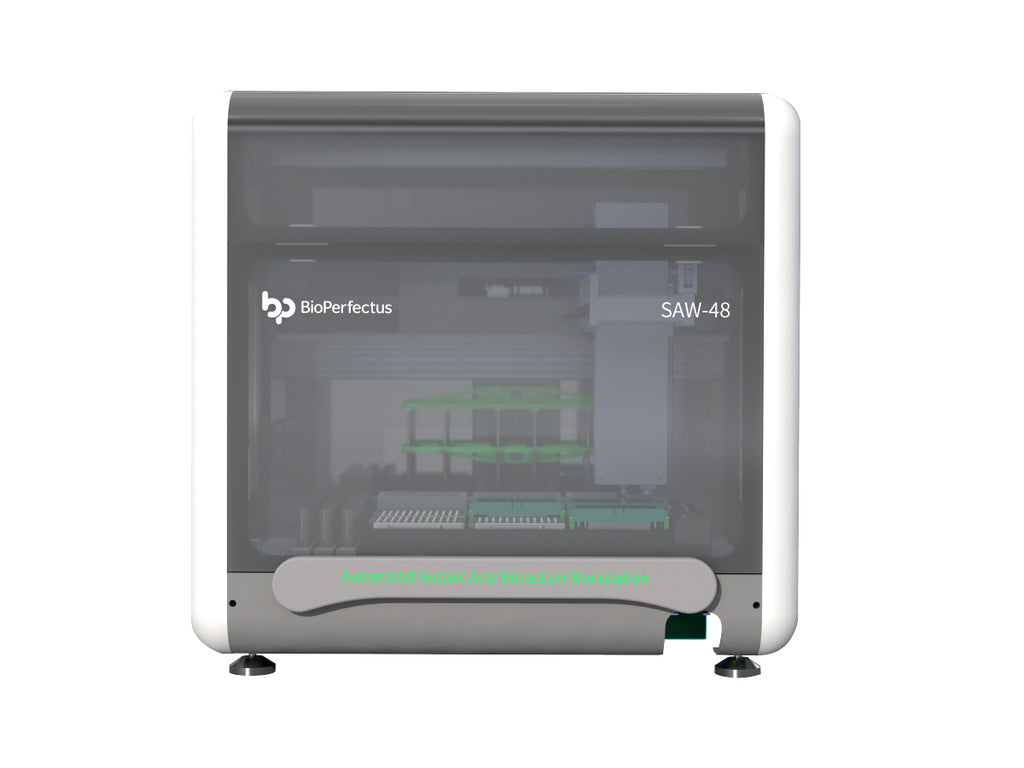
The scenario is familiar: a technician loads tubes, presses start, and expects consistent yield. Instead they get variable Ct values, clogging, or aborted runs. I mention magnetic beads, lysis buffer, and pipetting accuracy because these are where theory meets practice. We must ask: how do small choices cascade into big delays?—funny how that works, right?
In the next section I will break down the deeper problems that hide under routine procedures and explain why a machine alone does not guarantee reliable results. Let us move from scene-setting to the root causes.
Part 2 — Deeper problems: flaws in traditional solutions and hidden user pain
What breaks first?
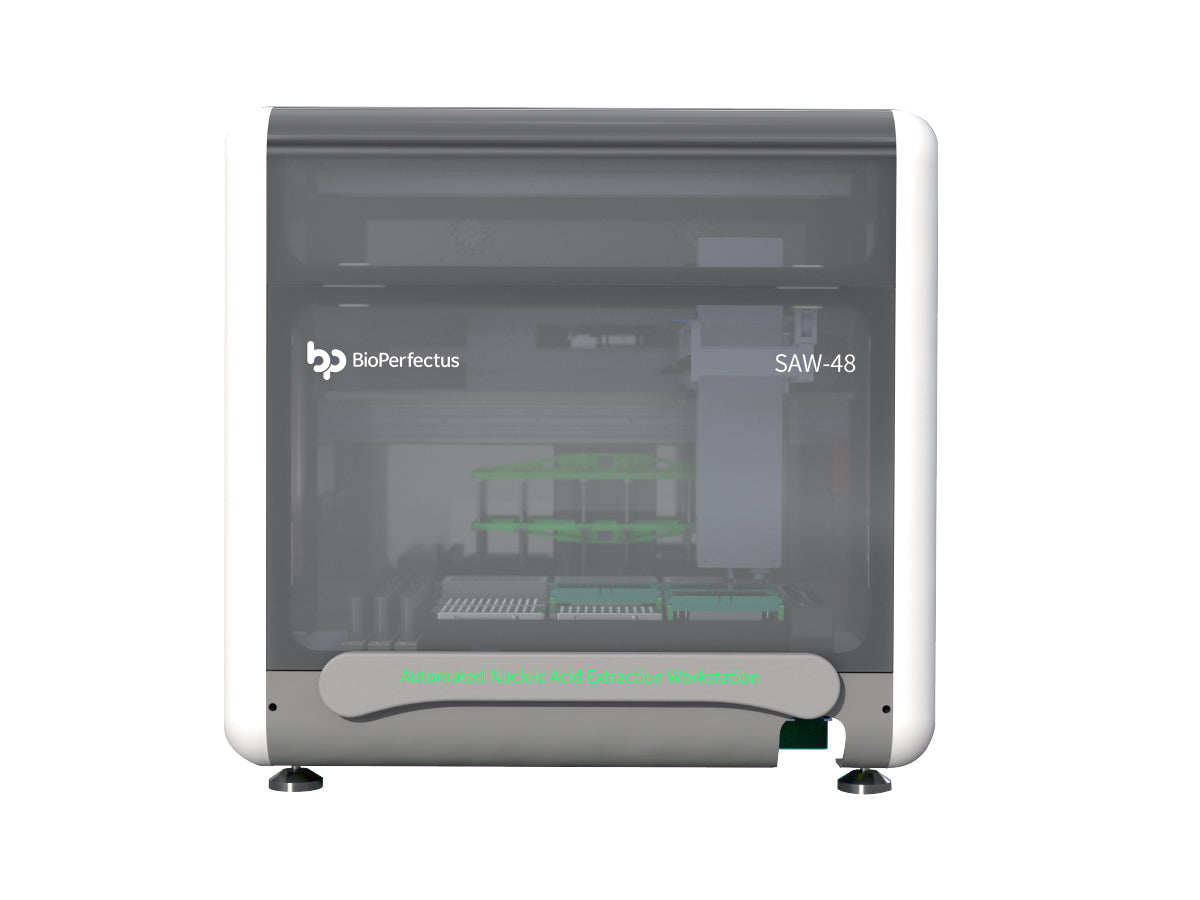
Refer to the content from Part 1. First, let me define a core element. An automated nucleic acid extraction system is a set of mechanical, fluidic, and software modules that should reproducibly isolate nucleic acids. In practice, the fluidics and sample handling are the most fragile. I will be blunt: many labs expect perfect extraction from poor inputs. Poor sample quality, wrong lysis buffer volumes, and degraded magnetic beads will sabotage a run. These are not exotic faults. They are common. We face pump drift, weak magnetic capture, and variable throughput. Pipetting accuracy and robotic arm calibration matter hugely.
Second, user pain is often invisible until the next morning. Training gaps cause inconsistent tip placement and poor sealing. Software updates sometimes change timing without clear notes, and then runs fail. Look, it’s simpler than you think — small errors stack. I have seen labs replace modules when a clogged line or a worn seal was the real cause. Our field uses terms like contamination control, run-to-run variability, and reagent lot effects — and these are practical headaches. Fixing them needs both smart maintenance and clear operator procedures. — I say this not to alarm, but to guide practical steps forward.
Part 3 — Forward-looking: new technology principles and what to choose next
What’s Next?
Moving forward, I look for systems that reduce human touchpoints and add transparent diagnostics. The next generation of automated nucleic acid extraction system designs emphasize sensor arrays for liquid detection, improved magnetic separation modules, and simple calibration workflows. These principles lower the chance of sample contamination and improve throughput without demanding high math skills from staff. From my experience, a clear user interface and built-in checklists make the biggest day-to-day difference. Short learning curve. Less drama.
Here are three practical metrics I recommend when comparing solutions: 1) True throughput under routine conditions (not peak numbers), 2) recovery consistency across reagent lots (look at variance), and 3) the clarity of diagnostic logs and local error messages. Choose devices that let you see what failed and why. I also advise asking vendors about spare part delivery time and remote diagnostic support — those details save days. In closing, we must balance innovation with real lab needs and sensible maintenance. For reliable choices and supply support, consider checking options from BPLabLine.