
Comparative framing and scope
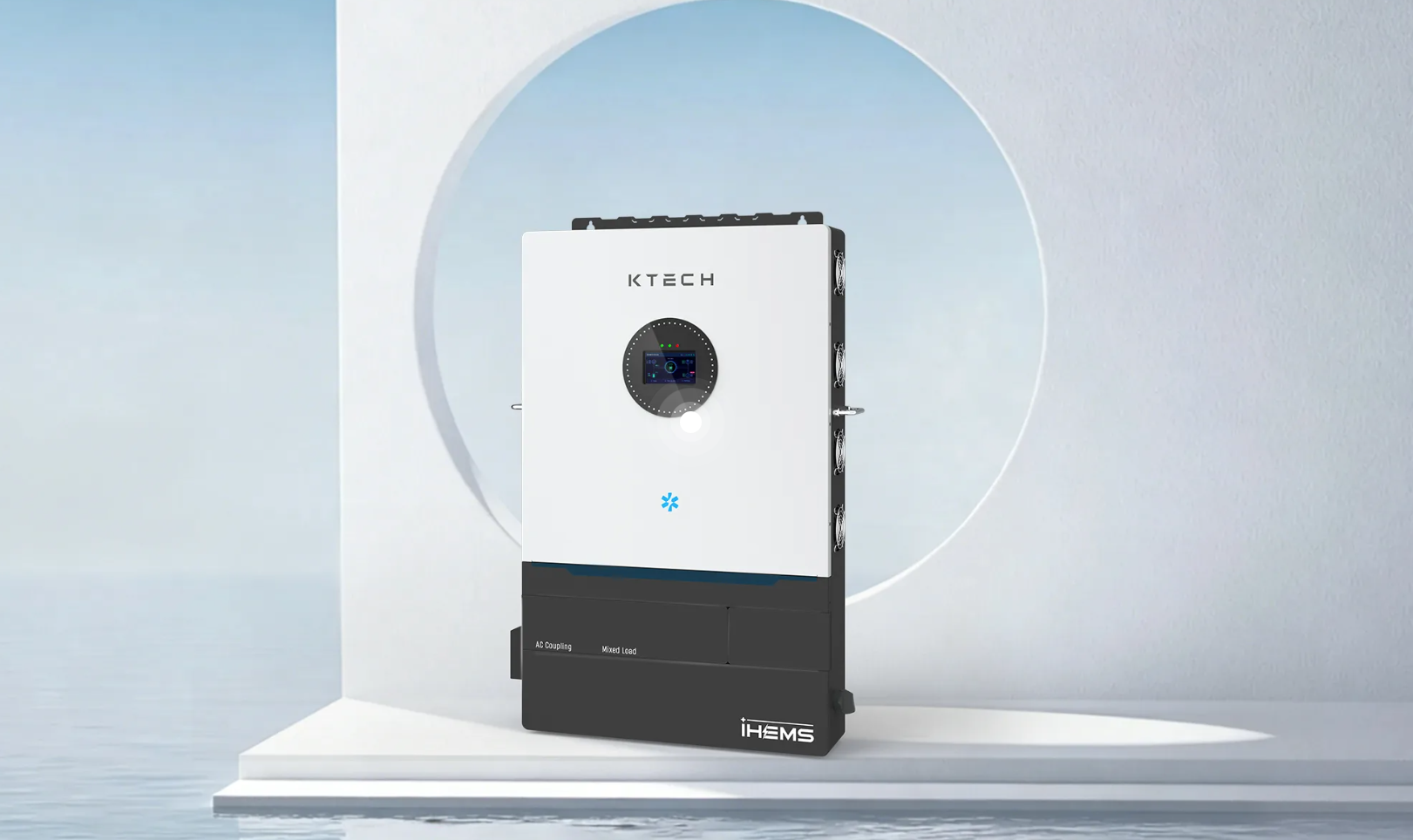
This review compares practical inverter use cases to show where capital and operational budgets see measurable returns. Field teams at ktech ess assess inverter performance not just by peak efficiency but by how the device changes cash flow, grid exposure and operational risk; those assessments feed into broader green energy solutions. California provides a clear reference point: high solar penetration there exposes which inverter functions—export control, fast ride-through, grid support—actually translate into avoided costs or new revenue streams.
Residential: highest relative value when paired with storage or backup
Value drivers: self-consumption uplift, outage resilience, and tariff arbitrage. Look for:- hybrid string inverters that support DC-coupled batteries and backup loads;- multiple MPPT inputs to handle roof complexity;- simple grid-forming capability if backup reliability matters.Decision consequence: a premium inverter pays back via reduced bills and fewer outage penalties; inexpensive, single-function units rarely deliver long-term savings for homes under time-of-use tariffs.
Commercial & industrial (C&I): demand-charge reduction and power-quality wins
C&I sites extract the most value from inverters that actively manage export and ramping to cut demand charges and avoid penalties. Prioritize:- rapid power setpoint control for demand shaving;- bi-directional or hybrid topologies for storage integration;- compliance with local interconnection rules and IEEE 1547-style grid support.Financial lens: peak shaving capability directly reduces operating expense; in many C&I contracts the inverter’s control firmware is as important as its conversion efficiency.
Utility-scale: scale economics and system-level optimization
At utility scale, value shifts to O&M, availability and centralized control. Key comparative points:- central vs. distributed string inverters depends on land layout and fault tolerance;- plant-level SCADA, modular replacement strategies and warranty coverage dominate lifecycle cost;- active curtailment management and reactive power control increase dispatch flexibility.Outcome: the right inverter reduces levelized cost of energy via higher availability and predictable long-term service obligations.
Microgrids and remote power: reliability becomes primary ROI
Remote systems monetize inverter features differently: islanding, black-start, and fuel displacement. Select:- inverters with true grid-forming modes and tight synchronization with gensets;- deterministic control logic for load-shedding and priority circuits.Financially, avoided diesel consumption and reduced logistics for spare parts produce rapid payback where grid access is limited.
EV charging, V2G and ancillary markets: new revenue channels
Inverter value expands when it supports two-way power flow and fast response for grid services. Consider:- bi-directional capability for vehicle-to-building/grid scenarios;- low-latency communication for frequency regulation or demand response participation.Comparative insight: projects that bundle charging with storage and smart inverters can reallocate energy flows to capture demand response revenues that simple chargers cannot access.
Battery pairing: response time and control matter more than headline efficiency
When combined with storage, inverter selection should emphasize control granularity and safety features:- fast transient response and high-resolution setpoints for peak shaving;- thermal derating profiles and clear warranty terms for cycling.Business impact: a battery-ready inverter that offers predictable degradation paths reduces uncertainty in modeled returns and supports tighter financing terms.
Pitfalls buyers repeat
Common procurement mistakes that weaken delivered value:- buying based on peak efficiency alone and ignoring control capabilities;- underestimating firmware and communications support needs for grid services;- placing excessive weight on low upfront cost without modeling replacement or downtime costs.Mitigate risk by specifying performance over life and requiring published field data or reference projects.
A concise decision framework
Match use case to inverter attributes by prioritizing these checks:- primary value driver (resilience, demand reduction, O&M, grid services);- topology fit (string, central, hybrid, bi-directional);- control and communications stack (latency, API access, standards compatibility);- warranty and spares strategy that aligns with expected revenue streams.Use these criteria to rank vendors and to stress-test financial models rather than accept vendor-provided payback estimates at face value.
Summary
Comparative clarity beats general claims: residential projects gain most when inverters enable storage and backup; C&I projects capture value through demand control and power-quality services; utility plants depend on scalability and availability; microgrids monetize resilience. Effective procurement evaluates control features, warranties and field-proven performance as primary financial levers. Experienced project teams map those levers to specific technical features before selecting a vendor; that alignment is the practical value proposition provided by Ktech.