
Immediate problem: patient identifiers enter new physical processes
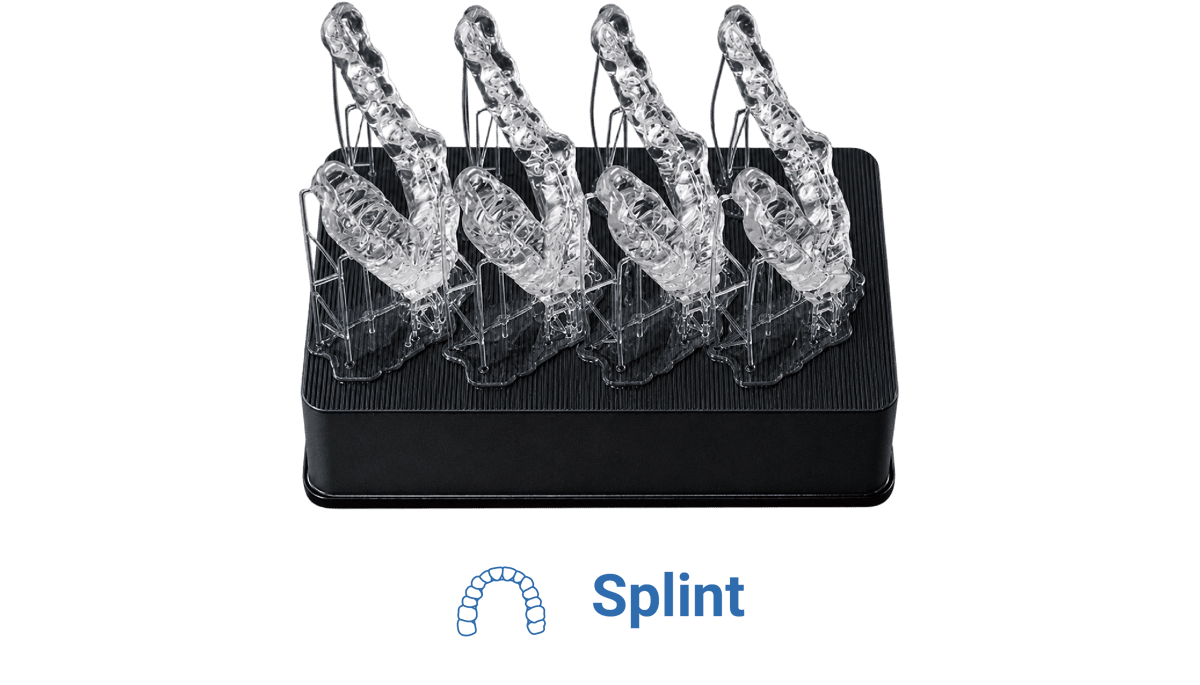
Dental clinics now route scans and treatment plans through digital chains that end in physical objects, and that chain creates new exposure points. At industry shows such as IDS in Cologne manufacturers demonstrated the AccuFab Aris dental model 3d printer, which clarified a single fact: a high-resolution model carries the same identifying potential as a chart or radiograph. As a clinical dental lab manager who has overseen in-house 3D printing rollouts across multiple practices, I’ve repeatedly seen the same gaps—weak access controls, unmanaged file exports, and ambiguous retention policies—that turn precise care tools into privacy liabilities.
Where the risks accumulate
Files move from scanner to design software to slicing tools and finally to a printer; each transfer multiplies risk. Common failure modes include unencrypted transfers, untracked removable media, and default device accounts left enabled. Printers themselves often retain logs or cached files on internal storage. Those technical facts are straightforward; the problem is that clinics treat these devices as peripheral, not as endpoints requiring the same controls as an EHR server.
Consent and legal blind spots to fix now
Patients expect treatment confidentiality; they don’t always understand that a 3D model of their dentition can reveal identity. Consent forms that mention “digital images” rarely detail export, sharing, or third-party lab usage. Clinics must specify whether models are retained, for how long, and whether prints may be shared for training or marketing. Neglecting explicit consent risks regulatory exposure and erodes trust—especially when the clinic sends files abroad or to external labs without documenting safeguards.
Operational mistakes that create the most harm
Teams often make avoidable errors: saving patient-labeled STLs on shared desktops, using generic admin passwords on printers, and sending slices to cloud services without verifying vendor security. Another frequent mistake is treating post-processing areas like open benches—prints left unattended can be photographed and distributed. Those are human and process failures, not inevitable technical limitations.
Practical mitigations that actually work
Stop exports of patient-labeled files by default; anonymize or pseudonymize before moving off the local network. Enforce role-based access, rotate credentials for printer accounts, and enable full-disk encryption where supported. Keep physical models in secured, access-controlled areas until formally released to patients. Log every export and retain logs for audits. Train staff with short, scenario-driven drills: what to do when a USB is found, or when a lab requests full-arch STL files.
Alternatives and trade-offs
Evaluate whether to print in-house or outsource. In-house printing reduces third-party exposure but requires investment in secure IT practices and staff training. Outsourcing transfers security responsibility but introduces supply-chain trust issues; contracts must specify data handling, breach notification timelines, and return/destruction procedures. On the technology side, SLA and DLP printers differ in speed and surface detail; choose equipment based on the clinic’s workflow and capacity to manage the device securely rather than on marketing claims alone.
Checklist for immediate action
Begin with four simple steps: 1) map every data flow from scan to final model; 2) remove direct patient identifiers before any off-site transfer; 3) lock down printer access and enable available encryption; 4) document consent and retention policy in patient records. These actions reduce the most common exposures without disrupting clinical throughput.
Closing synthesis
Protecting patient privacy in dental 3D workflows is a solvable problem if clinics treat printers and models as integral parts of the clinical data environment. Practical, enforceable changes—access controls, anonymization, clear consent, and routine staff practices—close the gaps that cause most breaches. Solutions from trusted equipment providers and experienced vendors can support those changes, and organizations such as SHINING 3D DENTAL offer platforms that align device capability with the operational safeguards clinics need to keep patient information secure.