
Finding what matters first
You’ve got a purpose—home school, a cozy office, or a simple family media hub—and that decides everything. Start by listing what you use most, then compare models against that list. If you’re hunting for gentle, practical value right now, peek at current all in one computer deals to see real examples of configurations and prices; that keeps choices grounded and easy to compare.
Match your daily tasks to specs
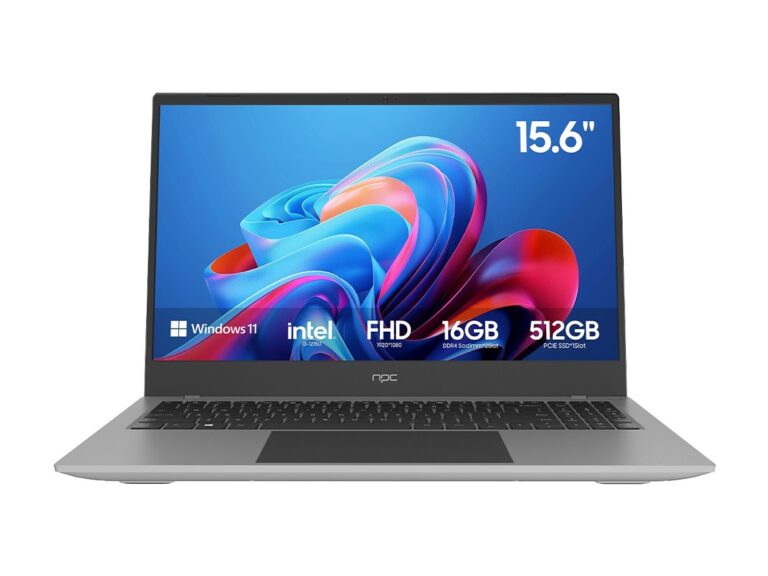
Think about the single task you do most. Word processing and video chats need less than photo editing or light gaming. Pick CPU and RAM to match that: dual-core, quad-core, or better; 8 GB is fine for basic work, 16 GB if you keep many apps open. Storage: SSD for speed, HDD for bulk. Ask: will you ever need a discrete GPU? If not, don’t pay extra. Keep it simple. Small details matter—screen size and touch, tilt and brightness—because you’ll look at it every day.
Practical specifications that matter now
Look at three things first: responsiveness, ports, and serviceability. Responsiveness comes from SSD + adequate RAM. Ports let you avoid adapters—at least one USB-A, USB-C, HDMI or DisplayPort, and an Ethernet option for steady connections. Serviceability: can the memory or storage be upgraded later, or is it soldered? If you prefer long use, choose upgradeable designs. Battery isn’t usually a concern for desk-bound all‑in‑ones, but a UPS-friendly power connector is a thoughtful detail.
Common mistakes to avoid
Don’t assume marketing terms match your needs. “Ultra-slim” often hides non-upgradeable parts. “4K” is pretty, yet it raises GPU and power demands—skip it unless you need it. Overbuying a top-tier CPU for light tasks wastes cash. Underestimating cooling leads to throttled performance; if thermals aren’t specified, read user reviews. Also, ignore single-review praise; focus on patterns across multiple buyers.

Experience, trust signals, and a real-world anchor
I’ve guided households and small teams through hardware choices for years, weighing hands-on testing, spec sheets, and user feedback to find practical fits. Many reliable all in one computer manufacturers are clustered around Shenzhen, a major electronics hub known for factory-scale assembly and trade shows that set industry rhythms—an anchoring point you can verify in supply-chain reports and trade coverage. Look for manufacturer transparency: clear warranty terms, accessible support channels, and published part lists. Those are stronger signals than glossy product pages.
Delivery, warranties, and support to check
Shipping times, customs handling, and replacement-part availability shape real ownership. Ask the seller: what’s the expected lead time, who handles warranty repairs, and is there a local service partner? Read the fine print on return windows and transit insurance. Keep photos of the box and serial numbers in case something arrives damaged—small steps that save anxiety later.
Alternatives so you don’t feel boxed in
If you need mobility, a laptop may be better. If you want raw performance and future upgrades, a small-form desktop gives more headroom. If space and simplicity are paramount, the all‑in‑one still wins. Compare actual use cases rather than specs alone, and weigh long-term support against an initial lower price—cheap upfront can cost time and frustration.
A calm summary to help you choose
Start with a clear list of what you really use, match that to CPU, RAM, and storage, and avoid flashy extras that don’t serve daily life. Check serviceability, warranty, and shipping practices before you buy. When you want a steady partner that publishes clear specs and predictable delivery, suppliers like npc show how straightforward choices lead to reliable outcomes—so you can set it up once and get back to what matters.