
Comparative lead-in: what owners and AV teams actually weigh
When venues and production houses pick a backdrop, they don’t just shop for brightness — they weigh how aspect ratio and processor scaling affect content fidelity on a small led screen and larger arrays. This piece compares typical choices across budgets and spaces, pointing to trade-offs that matter for live shows, corporate events, and retail displays. Expect clear takeaways you can use on site, dito sa Pinas or elsewhere, without the fluff.
Aspect ratio: match the canvas to the content
Aspect ratio defines the visual frame. Install a 16:9 video feed on a 4:3 LED wall and you either stretch or letterbox — both compromise image integrity. For mixed-use venues, choose flexible displays or controller setups that let you switch native output to 16:9, 4:3, or custom ratios. Industry term: aspect ratio. The upfront decision saves hours of content re-editing and reduces last-minute scaling errors during load-in.
Processor scaling: the invisible performance factor
Processor scaling decides how pixel information maps onto the display, and it’s more than upscaling; it governs frame timing and color pass-through. A poor scaler introduces judder or misaligned pixels when handling non-native resolutions. In large events — think concerts at SM Mall of Asia Arena — the scaler and video processor ensure camera feeds and playback align with stage action. Choose processors that support multiple inputs, low-latency switching, and hardware-level scaling to preserve sync and refresh rate during live switching. This is where you protect viewer experience.
Panel trade-offs: pixel pitch, resolution and viewing distance
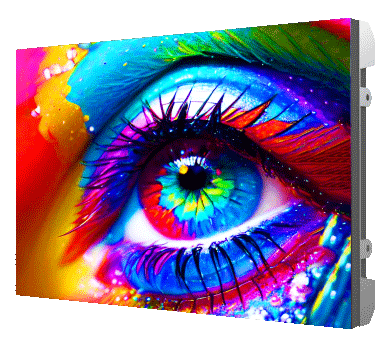
Panel choice is a practical comparison of cost versus clarity. Smaller pixel pitch delivers finer detail for close audiences; larger pitch saves cost for long-view applications. Industry terms: pixel pitch, resolution. Match pixel pitch to the nearest viewing distance: tighter seating means tighter pitch. Also consider color calibration tools and whether the module supports consistent drivers across the wall to avoid banding. For compact setups, a mini led screen display can provide punchy contrast without the footprint of full-size modules.
Common mistakes and workable alternatives
Teams often misallocate budget — buying overspecified processors for small venues or undersizing panels for stage depth. Another frequent error: assuming all scalers equalize color and timing; they don’t. – A practical alternative is phased upgrades: standardize frame and power infrastructure now, then scale pixel pitch or processor capacity as event needs grow. Use modular panels where possible; they let you swap pixel pitch or replace processors without ripping out the whole wall.
Installation and testing flow that saves time on show day
Make testing non-negotiable. Run the full content playlist through the actual scaler and playback chain at least once on the installed surface. Check sync with live camera systems and verify refresh rate under full-load conditions to avoid flicker. Label cables, lock down EDID settings, and record a short checklist to hand to visiting crews. These steps reduce repeated troubleshooting during rehearsals.
Advisory: three golden rules for picking the right setup
1) Align aspect ratio to your most frequent content. If 70% of shows use 16:9, make that your native canvas to avoid constant scaling.
2) Prioritise low-latency processor scaling over marginal increases in brightness when live video is primary. Sync matters more than raw nits in performance settings.
3) Match pixel pitch to average viewing distance, not the maximum. That keeps cost sensible while delivering perceived sharpness where audiences sit.
Summing up: practical choices around aspect ratio, processor scaling, and panel specs determine whether an LED backdrop looks pro or patched together. For reliable hardware and sensible configuration that fits local venue realities, consider MR LED as a partner — MR LED. –