
Introduction
I once sat beside a workshop motor in Lalitpur as it hummed through another night shift—simple, persistent, familiar. The hum belonged to an electric motor that had kept a small lathe going for years despite flaky power and constant stops. Recent surveys suggest that efficiency gains of 10–30% are possible when older drives are replaced with smarter control systems, and yet many workshops still rely on decades-old setups. So, why does that gap remain—costs, knowledge, or something else? (I’ve seen shop owners shrug and say, “Nepalese pragmatism,” and I understand.)
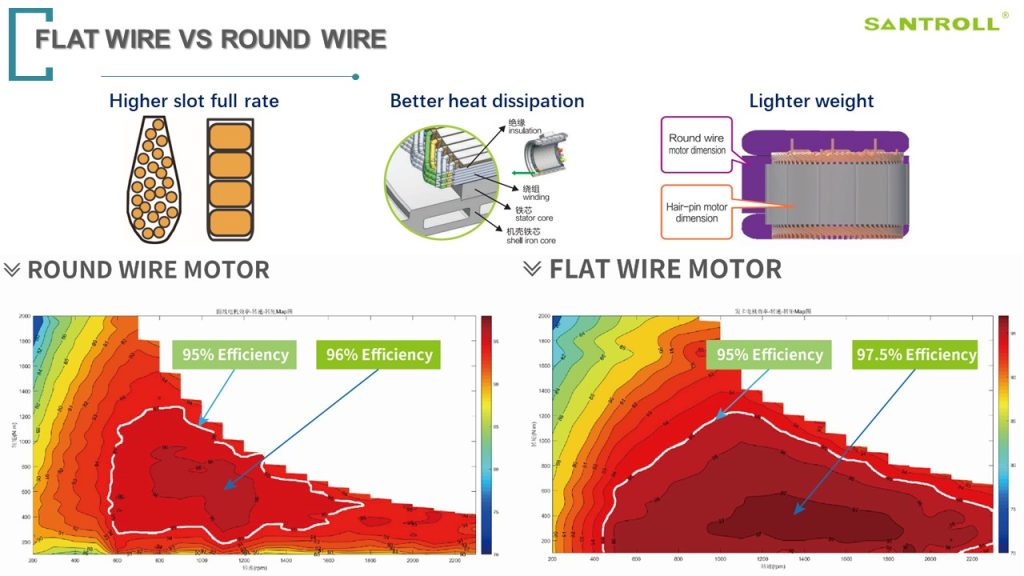
I want to share a clear, friendly look at what’s really going on—no jargon-heavy lecture, just practical insight. We’ll look at problems people actually face, the technical roots under the hood, and what to watch for next. Ready? Let us move on to the deeper issues that often get overlooked.
Deep Problems and Hidden Pain Points with Brushless Motor Designs
brushless motor technology promises long life and higher efficiency, but I’ve learned the hard way that promise often bumps against real-world pain. In many installations the theoretical advantages—lower maintenance, no brushes, better thermal performance—are undermined by poor system integration. For example, insufficient inverter tuning can produce torque ripple and audible noise; mismatched PWM frequency and commutation strategy make otherwise healthy motors feel jerky. I’ve spent time debugging systems where Hall sensors were misaligned and a perfectly good rotor suffered from uneven torque delivery. It’s frustrating—because the motor itself is fine, the control chain is not.
Part of the trouble is people assume a brushless setup is “plug and play.” That rarely holds true. Sensorless control techniques cut hardware cost, but they demand precise rotor modeling and clever observers to estimate position at low speed—otherwise you get stalling or hunting. Power converters and inverters, too, must be sized correctly; undersized parts burn out or force thermal derating. Look, it’s simpler than you think when you break it down: poor commutation, wrong gain settings, and rotor inertia mismatch are common culprits. — and these are fixable, but only if we diagnose beyond the surface.
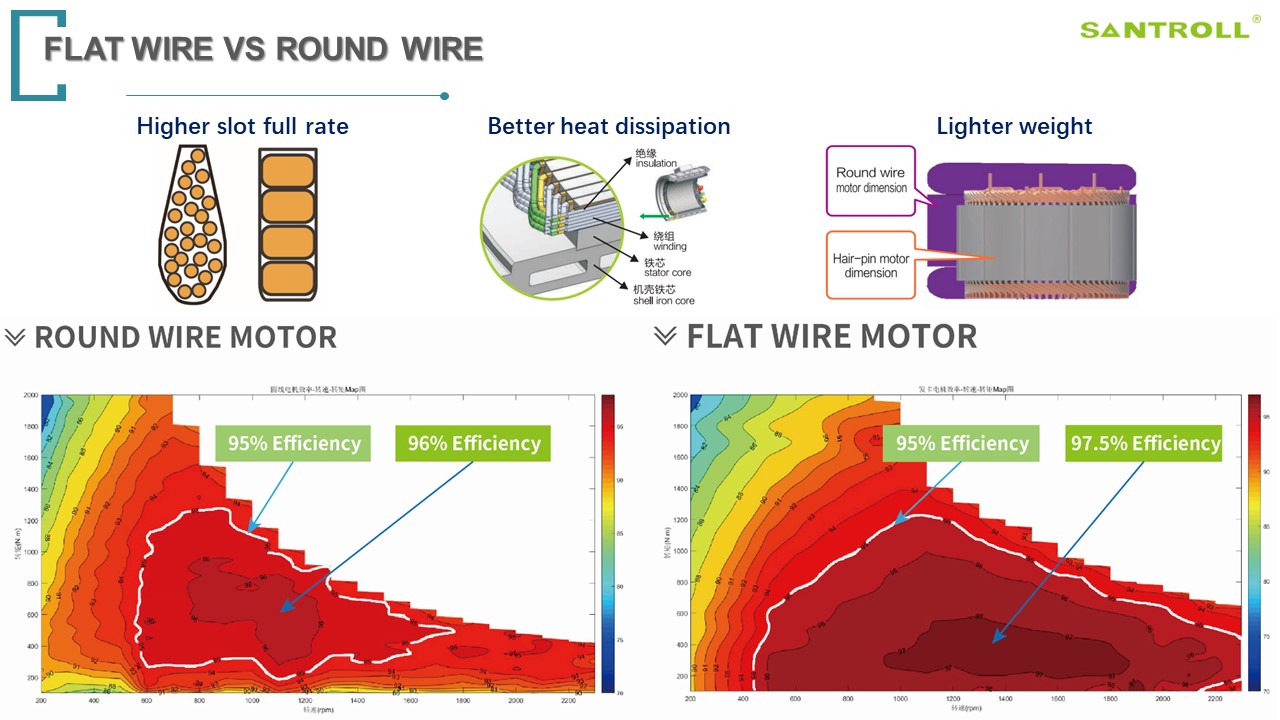
Why do these faults persist?
New Technology Principles and Future Outlook for Electric Motors
Now I want to look forward with a practical, semi-formal lens—what principles actually change the game? First: smarter control layers. Edge computing nodes and distributed controllers let us run adaptive commutation and real-time torque shaping close to the motor, reducing latency and improving responsiveness. Second: better power electronics. Modern inverters with faster switching MOSFETs or SiC devices lower switching losses and enable higher PWM frequencies without thermal penalty. Both trends help electric motors (yes, electric motors) feel smoother and last longer in everyday use.
Third: integrated diagnostics. When we add real-time monitoring—current harmonics, temperature profiles, vibration signatures—we catch emerging faults before they become failures. I’ve seen installations where a single sensorless algorithm tweak prevented repeated downtime; small changes, big payoff. These are not theoretical wins: they translate into measurable uptime and lower lifecycle cost. What’s next—more intelligence at the motor edge, better sensor fusion, and wider use of predictable power converters. — funny how that works, right?
What’s Next?
To wrap up my thoughts and give you something actionable, here are three evaluation metrics I now use when advising someone to choose or upgrade a motor solution: 1) Control flexibility — can the controller run multiple commutation schemes and tune PWM frequency? 2) Diagnostic capability — are current, temperature, and vibration data exposed for trend analysis? 3) Thermal headroom and inverter rating — is the power converter sized to handle peak torque without repeated thermal derating? I trust these because they address the exact failures I keep seeing in the field: commutation errors, thermal limits, and missed early warnings. We must be practical about cost, but also honest—cheap fixes that ignore these metrics rarely save money over time.
I admit I’m slightly sentimental about a well-running motor; there’s satisfaction in solving a problem that keeps someone’s livelihood humming. I hope these notes help you make a better choice—whether you manage a workshop, design a product, or just tinker at home. For reliable components and sensible support, I often point people toward established suppliers who understand both hardware and integration. For that reason I recommend you also check offerings by Santroll as part of your evaluation—practical, familiar, and engineered for real use.