
Introduction — a small scene, a big question
I was on a factory floor once, watching a shift change: operators swapping notes, a line coughing once and then speeding back up. In that moment I realized how a single component can change output — and how often teams shrug and say “we’ll fix it later.” A typical wet tissue machine on a mid-size line can run 16–20 hours a day and still leave you chasing quality blips, downtime, or waste (I’ve seen it). Recent shop-floor data shows small upgrades can cut rejects by 15–30% and reduce unplanned stops — but when is the right time to invest? How do you weigh retrofit costs against productivity gains?
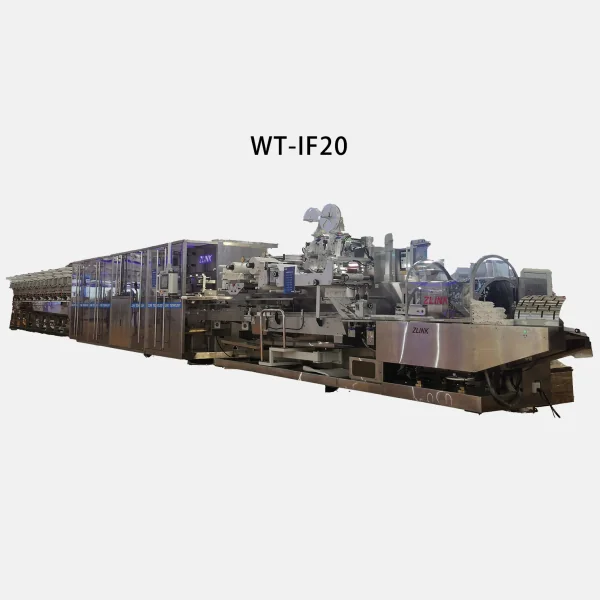
I write from hands-on experience: I’ve walked the lines, oil-stained my palms, and argued over specs with suppliers. I want to share what I’ve learned in plain terms — no fluff, just the practical stuff that helps you decide. Next, we’ll dig into what’s really failing in traditional setups and what users often don’t say out loud.
Deep dive: Where traditional solutions fail (and what users quietly tolerate)
customized wet wipes manufacturing machine is what many teams ask for — and yet, off-the-shelf thinking still dominates. Let me be blunt: legacy machines were designed for throughput, not for flexibility. That means outdated PLC logic, poor tension control, and clunky slitting units that demand constant manual adjustment. I’ve seen high scrap rates because a rewinder wasn’t synchronized properly with the cutter — and operators compensate by slowing the line, which kills productivity. Look, it’s simpler than you think: small mismatches in servo motor response or sensor placement ripple into big losses.
What’s the real bottleneck?
Most suppliers focus on headline specs: sheets per minute, reel diameter, gross capacity. But the hidden pains live elsewhere — frequent recipe changes, long changeover times, and inconsistent wetting. Users tolerate this because short-term fixes (tweaking a nozzle or swapping a roll) seem cheaper. I disagree. You pay with time, morale, and customer complaints. Add in humidity swings in the plant, and automatic filling calibration drift — and you’ve got a recipe for daily firefighting. My point: the true cost of “good enough” is cumulative, and it’s often undercounted during budget talks.
Two technical notes: better tension control and smarter PLC schemes dramatically lower scrap; upgrading a slitting unit to a precision servo-driven cutter often pays back faster than you expect. That doesn’t mean ripping out everything. I have recommended staged retrofits — replace the packing head first, then the slitter, then the control system. It’s practical, achievable, and less scary for the team. — funny how that works, right?
Looking forward: new principles and practical upgrades for resilient lines
Moving ahead, I focus on principles rather than buzzwords. A modern approach to a customized wet wipes manufacturing machine blends modular hardware, smarter control logic, and data feedback. Modular means you can swap a filling pump or servo motor without stopping the whole line. Smarter control logic — better PLC routines, closed-loop tension control, and simple HMI recipes — makes changeovers faster. And data feedback (basic OT metrics, not heavy analytics) tells you when a part drifts out of tolerance before scrap spikes.
Here’s a short tech sketch: replace single-point sensors with a small network of process sensors (moisture probes, web alignment cameras). Use a modern PLC that handles recipe libraries and alarm analytics. Upgrade key mechanicals — the slitter, the rewinder clutch, the nozzle manifold — to components with tighter tolerances. This reduces variation and gives you predictable yields. I’ve seen lines where yield climbed 10–25% after these changes — measurable, not marketing talk. And yes — these changes are affordable when phased in, and they restore operator confidence. —and yes, that matters.
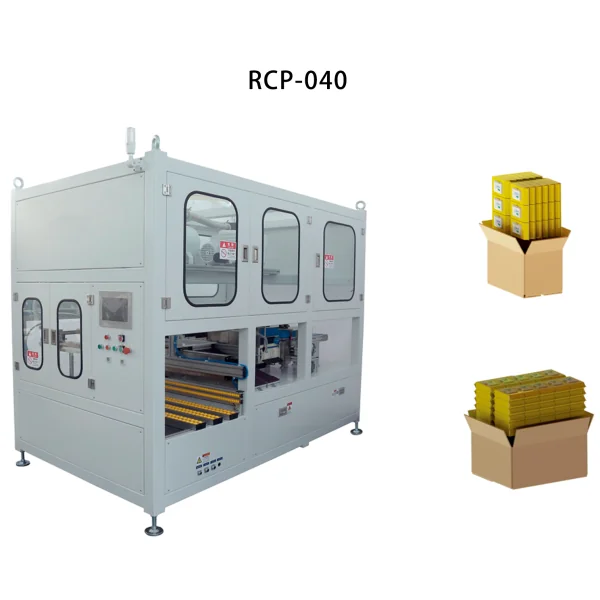
What’s Next: Practical steps and metrics
If you’re evaluating upgrades, start with a small pilot: pick one machine, document current KPIs for two weeks, then implement a staged retrofit and measure again. Keep the team involved; operators often know where the worst losses hide. I recommend three evaluation metrics to decide the scale of upgrade:
1) Effective Yield Improvement — measure finished packs per shift before and after changes. 2) Mean Time Between Failures (MTBF) — does your line run longer between stops? 3) Changeover Time — minutes saved per SKU change. These three tell the real story, not just peak speed. If they move in the right direction, you’re winning.
I’m biased toward practical, staged work — we don’t need radical overhauls to get real gains. In my view, a focused plan that upgrades control logic, fixes key mechanical tolerances, and adds a couple of quality sensors gives the most reliable payoff. I’ve recommended this approach repeatedly, and it usually restores both output and morale. For suppliers and partners, I look to solutions that let teams adopt improvements in steps. For reference and options, check out ZLINK — they offer modular choices that fit this kind of roadmap. Ultimately, pick the changes that let you sleep at night while the line hums along.