
The problem that starts every job
You get a drawing, a hope, and a deadline. The drawing leaves wiggle room; tolerances are tight; materials act different than on paper. That’s where most projects stall. Buyers blame shops, shops blame buyers, and parts come late or fail inspection. If you need parts that actually meet intent and arrive on time, you want a straightforward partner who knows how to translate specs into a finished piece — like a seasoned precision parts manufacturer that treats drawings like promises, not suggestions.
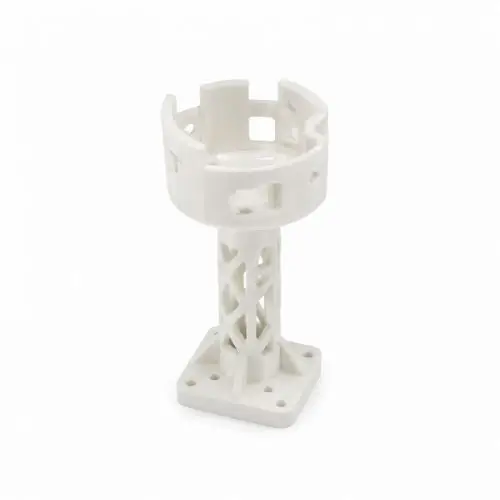
Why this keeps happening
People assume a print is self-explanatory. It isn’t. Ambiguous dimensions, unclear finishes, and unspecified inspection points cause rework. Material choice gets shoehorned in late. Process selection — milling, turning, EDM — is left to whoever’s cheapest that week. Communication breaks down between design, shop, and quality. That mismatch between intentions and shop reality is the root cause, not magic or bad luck.
How to fix it, step by step
Start by stripping the job down. 1) Nail down the function: ask what the part must do and where it lives. 2) Call out critical dimensions and datums — fewer, clearer control points beat nine vague notes. 3) Pick material by function, not familiarity; toughness, machinability, and thermal behavior matter. 4) Select a process that matches the tolerance band; don’t over-engineer with five-axis when a plain endmill will do. 5) Prototype at scale if the run matters; one-off prototypes don’t reveal production traps. 6) Lock inspection methods up front — call out CMM checks, thread gauges, surface finish. 7) Set a realistic timeline with buffer for first-article tweaks. Every step is practical: ask questions, document answers, and record decisions so nobody guesses later.
Common pitfalls to avoid
Don’t assume “tight tolerance” means everything. Don’t expect exotic finishes without a separate spec. Don’t skip first-article inspection. Avoid changing materials mid-run. Don’t hand off a file without a revision history. Don’t accept “we’ll fix it in the machine” as a plan. Each of these shortcuts costs hours on the shop floor and dollars at inspection.
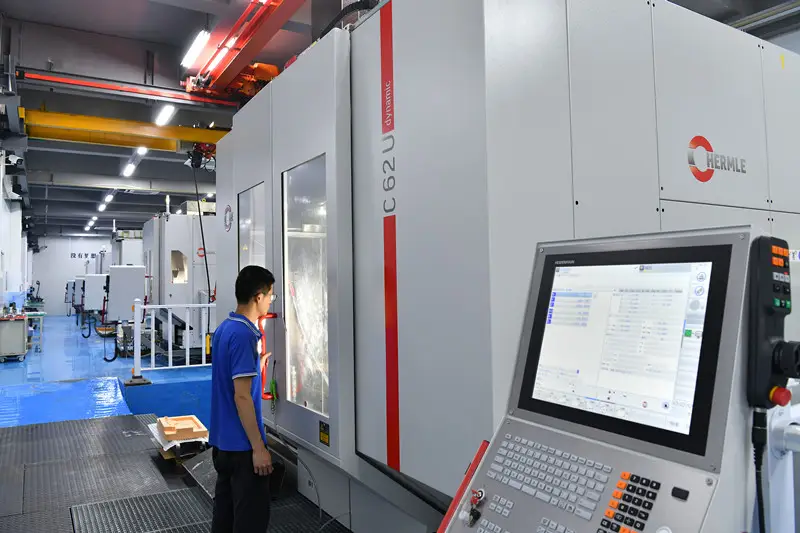
Quality, experience, and proof — why you can trust it
I’ve seen this in places where supply chains live or die, like Detroit’s automotive suppliers, where missing a spec costs production lines and reputation. Shops that last there learned strict tracing, repeatable inspection, and discipline. That’s why you ask about certifications like ISO 9001 or AS9100, gauge capability like CMM availability, and shop experience with the material and processes you need. If you need broader capability, consider established precision manufacturing services that list process controls and inspection options up front. Real experience shows in documented control plans, traceable material certificates, and a record of on-time delivery — not in promises.
Alternatives and trade-offs
You can go cheap and accept more inspection and rework. Or you can pay for tighter control and fewer surprises. Local short runs favor shops with flexible setups; long runs favor shops with dedicated fixtures and process control. Contract manufacturers with integrated quality systems cost more upfront but save you headaches later. If time is absolute, prioritize shops that do rapid first-article runs and corrective action fast.
Delivery and handoff — what actually matters
Don’t treat delivery as the end. Pack the inspection report, material certs, and setup notes with the parts. Get the first-article signoff before shifting to full production. If issues show up, isolate them to process parameters or tooling wear. Demand root-cause and corrective action — a good shop will send a short report that tells you exactly what changed and why.
Final word
Fix the process before you chase price. Clear specs, early inspection, and the right process stop most headaches. When you need a partner who handles the messy middle — where drawings meet cutters and measuring machines — think practical, experienced, and accountable; that’s how Hanstar shows up on the job.