
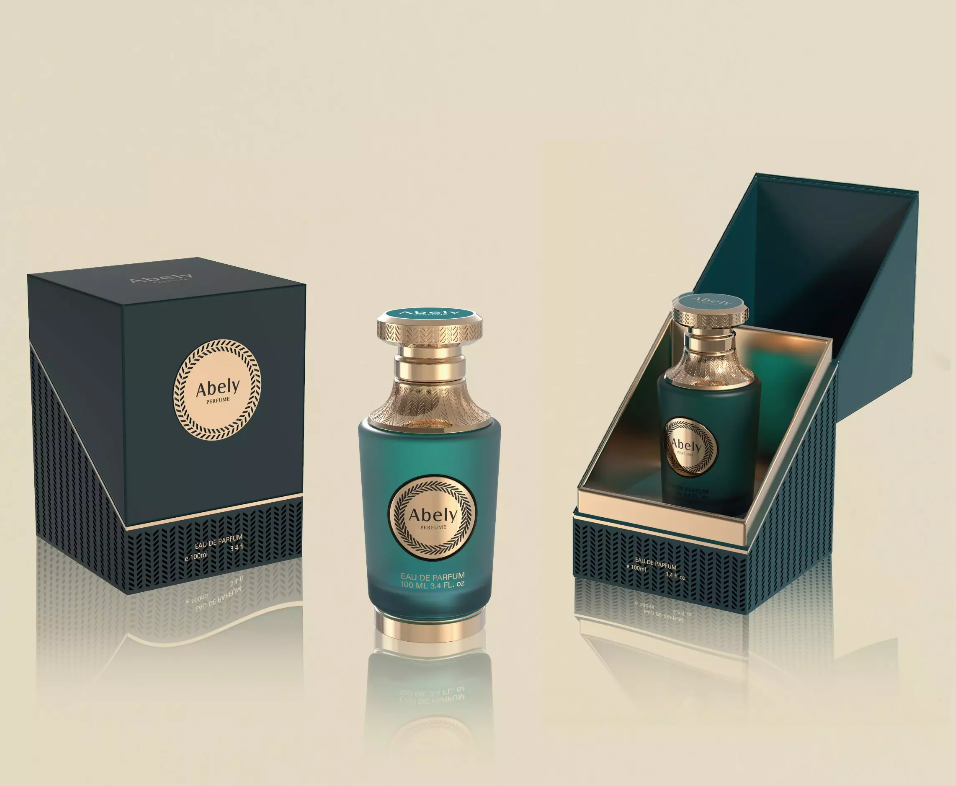
Picking the right finish for your glass fragrance bottles can make or break how a scent’s story reads on the shelf, and right off the bat you’ll notice different coatings do different jobs — shiny lacquers throw light, frosts mute it, metallics shout. If you’re sizing up options, start by looking at how the coating interacts with the bottle form and label; for a closer look at real examples, see these glass fragrance bottles and how finishes change perception. I’ve seen brands from small indie runs to regional fashion houses change their whole pitch just by picking the wrong sheen — Grasse’s long perfumery tradition still teaches us that presentation matters as much as the juice.
Overview: Why Coating Choice Matters
Think of coating as the voice for your scent. It sets mood, suggests price point, and affects shelf visibility. From a customer’s first glance to the tactile second touch, a coating brings personality — whether that’s the luxe whisper of a soft-touch matte or the modern gleam of a vacuum-metalised chrome. For makers wanting a truly bespoke presence, the right perfume unique bottle finish can be the difference between “ooh” and “meh”.
Comparing Common Coatings — Pros, Cons, and Use-Cases
Here’s a quick comparison based on durability, visual impact, and production considerations — useful if you’re deciding what to specify:
– Matte Soft-Touch: Subdued elegance, great for niche/urban scents. Hides fingerprints but can scuff. – Gloss Lacquer: High shine, lifts colours and labels; more premium-looking but shows smears. – Frosted Etch: Gentle, diffused light—ideal for romantic or fresh florals; limited colour depth. – Vacuum Metalised / Mirror: Very reflective and bold; excellent for modern or unisex lines but pricier and needs extra handling. – Specialty Coatings (pearlescent, electroplating): Stand-out effects for limited editions; expect higher MOQ and cost.
Each finish has trade-offs. For instance, a glossy coat can make a light-coloured perfume look richer, but it’ll also pick up store lighting and fingerprints — so packaging context matters. — If you’re selling online lots of glossy shots work well; in dim boutiques, matte can read more luxurious.
Durability and Sustainability Considerations
Brands increasingly ask how coatings affect recyclability and long-term wear. Some solvent-based lacquers complicate recycling streams; water-based or thin-film coatings are kinder to recycling systems. From a practical standpoint, choose coatings that can withstand handling and filling processes without flaking — nothing ruins unboxing like chipped finish.
Common Mistakes and Alternatives
It’s easy to over-design. Common missteps include: matching an ornate coat with an already complex bottle shape, or choosing high-shine on a scent aimed at quiet elegance. Alternatives? Consider label-driven looks (clear-coated glass with textured labels) or hybrid approaches — partial coating, spot-metal, or two-tone finishes to highlight branding without overwhelming the glass.
How to Decide — Three Practical Metrics
When evaluating finishes, use these practical metrics I always apply when advising brands:
1. Visual Fit: Does the finish reflect the fragrance story and target consumer? 2. Practical Durability: Will it survive filling, transport, retail handling? 3. Cost-to-Value: Does the perceived premium cover the added production cost?
Apply these against prototypes. Test under store lighting and in customers’ hands — a small trial run will tell you more than any spec sheet. — And don’t forget to check how the chosen finish affects photography for both e‑commerce and social; reflective surfaces are tricky.
Summary and Final Advice
In short, coatings change how a bottle reads more than most people reckon. Matte brings subtlety; gloss sells shine; metallics demand attention. Balance desirability with practicality and sustainability — try low-run samples and compare them in the real world (in-store, online photos, and at the unboxing table). Picking the right finish is as much about storytelling as it is about technical specs.
Three golden rules for choosing coatings: prioritise visual fit, insist on a durability test, and weigh cost against perceived value. When that logic’s followed, a well-chosen finish elevates both scent and brand — and that’s precisely where Abely often steps in with sensible, craft-minded options. Short, clear, proper choices win. —
Authoritative, experienced, and straight to the point.