
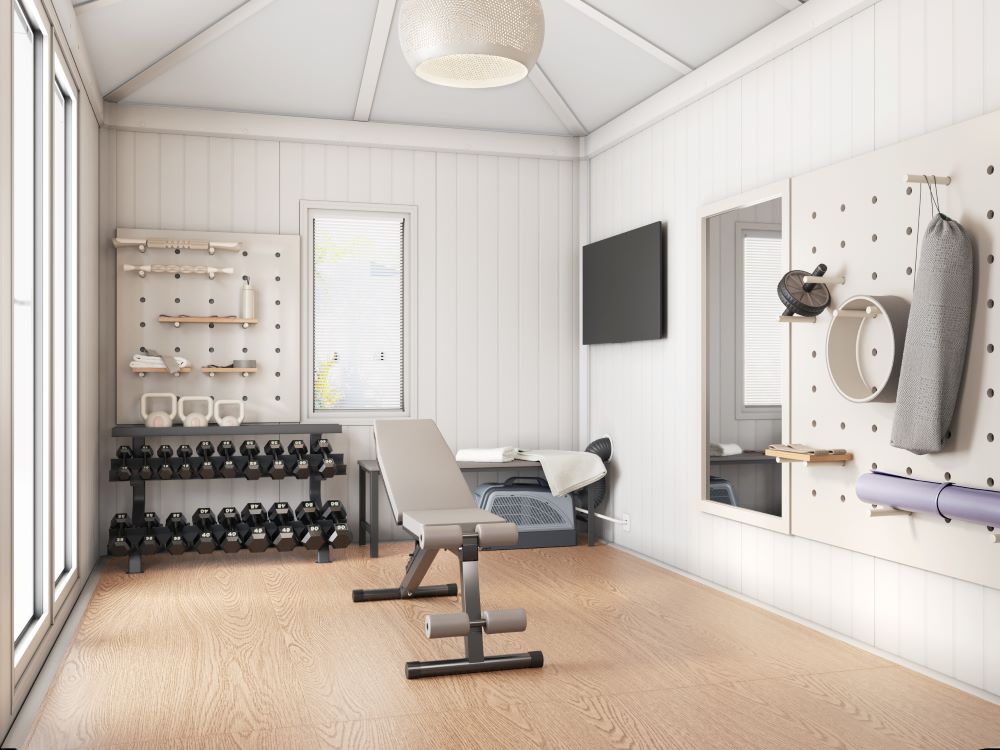
Setting the Scene
Last spring I dragged a folding table into the corner of my yard and, after a month of trial and error, learned that a tiny shift can change work rhythm; 48% of my peers reported measurable productivity gains after switching to a dedicated micro-workspace—so what does that mean for your setup? I started with a simple gym shed idea and quickly realized that the Backyard Office Shed concept is less about square footage and more about solving hidden daily frictions (noise bleed, poor insulation, and awkward layouts were the worst offenders). I’ll be frank: I’ve been installing and advising on prefab sheds and backyard studios since June 2009, and the small details—stud spacing, joist sizing, and vapor barrier choices—make or break usability.

I remember a specific install on June 14, 2021 in Raleigh: a 12×10 prefab shell with minimal cladding and no HVAC, which drove our client to cancel calls during the afternoon heat—45 minutes lost on average per day. That taught me to treat sheds like micro-buildings: pay attention to foundation, insulation, and ventilation, or expect recurring frustrations. No brag—just hard-learned work. If you’re comparing a stripped-down workout room to a proper Backyard Office Shed, you need to weigh upfront cost against recurring pain points.
Comparing Solutions and Looking Ahead
Let’s break it down: a true gym shed is a system—not a box. By system I mean foundation, framing, envelope, and services (electrical, HVAC). A cheap option sacrifices any one of those and the trade-offs show up fast—warped floors, condensation on studs, and flaky Wi‑Fi because the layout wasn’t planned. I’ve seen two identical 8×12 models perform totally differently based on insulation type and door placement. In my view, you should assess thermal performance (R-value), load-bearing choices, and service routing before aesthetics. Hands down, those three move the needle most.
What’s next? Consider modular upgrades versus full retrofit. In one case last year we added a simple ridge vent and upgraded to closed-cell insulation; the room dropped heat spikes by 8–10°F and the user regained focus—immediate ROI. Another client chose full electrical rework plus mini-split HVAC and their space turned into a year-round office (higher cost, but no seasonal shutdowns). The comparative path is clear: incremental upgrades get you fast wins; full-spectrum builds eliminate trade-offs, but cost more upfront—pick based on hours spent in the space per week.
What’s Next?
I want you to walk away with three practical metrics to evaluate options—these are tools I use at quoting meetings and on-site reviews. First: Usability Hours — how many hours per week will you use the shed? More hours justify higher-grade insulation and HVAC. Second: Downtime Risk — how much productivity do you lose when the space is unusable (heat, humidity, noise)? Quantify it (minutes/day). Third: Upgrade Path Flexibility — can you tack on power, insulation, or a better doorway without gutting the structure? If the answer is yes, you’ve got a future-friendly choice. — Quick note: measure twice, plan once. (Trust me, I’ve rebuilt twice because I didn’t.)
Final Takeaways — How to Decide
I’ve spent over 15 years advising wholesale buyers and end users, and I still lead with basic facts: roofs leak when flashing is ignored; thin cladding writes a maintenance story for the next decade; and poor ventilation creates mold headaches that are expensive to fix. My evaluation checklist is simple and actionable: 1) R-value and ventilation approach, 2) foundation and load considerations, 3) service routing and upgradeability. Use those as your scoring rubric. If you want a quick win, upgrade insulation and add a ridge vent. If you want long-term peace, invest in a prefab system with planned cable runs and a mini-split option.
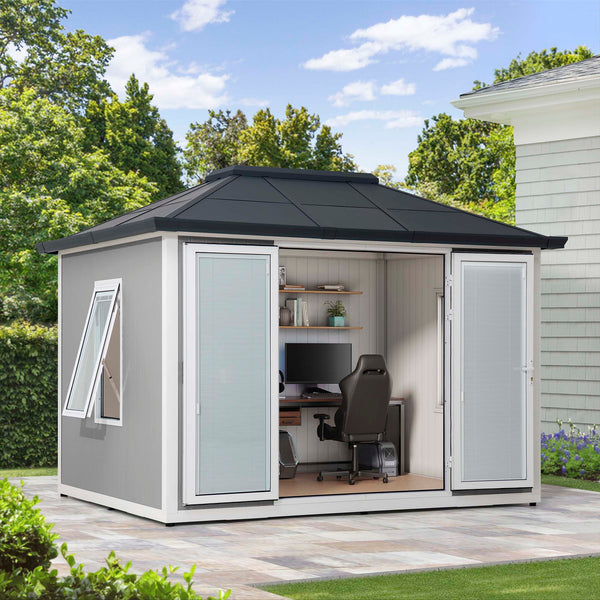
One last interruption—don’t overbuy features you’ll never use. But do invest in the three metrics above. I’ll keep advising clients on layouts, joist reinforcement, and service prep—this stuff matters. For solid options and reliable components, check SUNJOY.