
Why data-driven tracking matters now
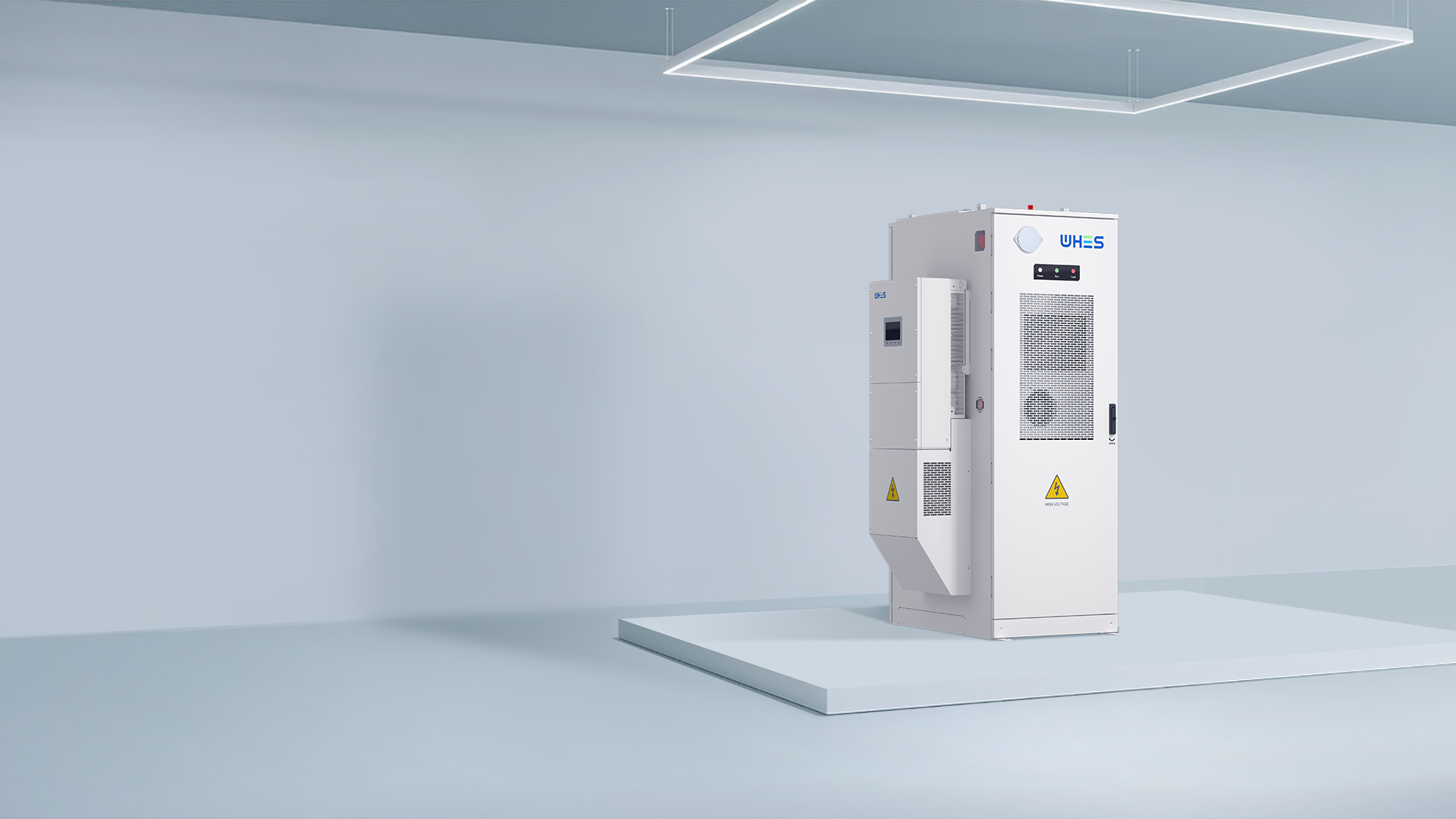
In recent years, grid stress events — from California rolling outages to rapid renewables uptake in South Australia — have shown that accurate performance data is no longer optional for commercial projects. A clear, repeatable approach to measuring State of Health (SoH) and cycle life is essential to forecast revenue, plan maintenance, and manage warranties. Early-stage processes like cell sorting and formation have downstream impacts on system behaviour during high-voltage commissioning; for turnkey solutions, a tested solar battery storage package can already embed many of those controls. By starting with objective metrics, owners reduce surprises and improve lifecycle economics.
Core metrics to collect and why they matter
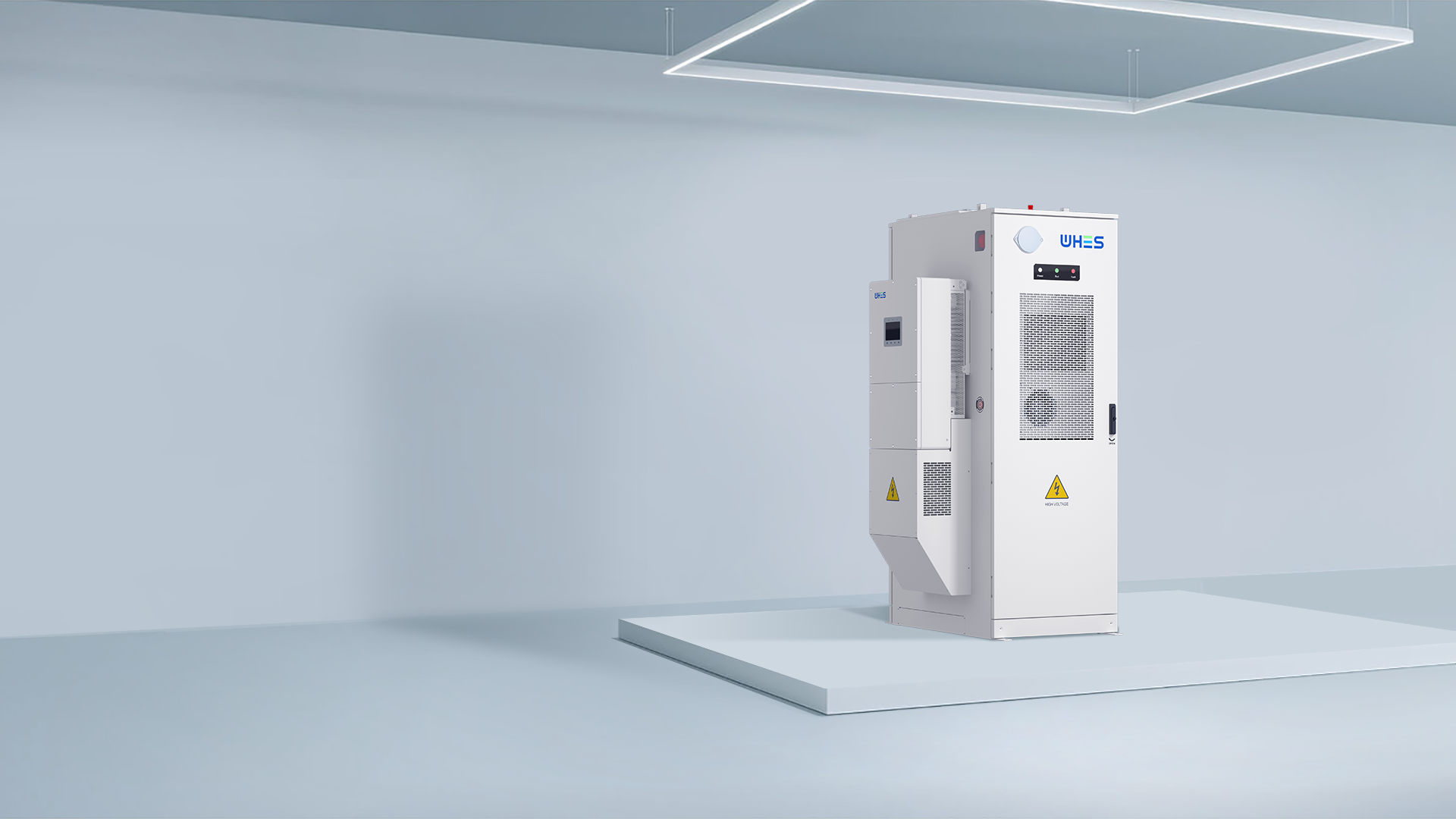
Standardise on a small set of repeatable indicators so teams speak the same language across procurement, commissioning, and operations:
- State of Health (SoH): a rolling estimate of available capacity vs nameplate, useful for dispatch planning and warranty claims.
- Cycle life and cycle count: measured against specified Depth of Discharge (DoD); helps predict replacement timing.
- Coulombic efficiency and internal resistance: early flags for cell imbalance or aging that affect round-trip efficiency.
These metrics link directly to revenue streams (capacity firming, arbitrage) and to maintenance windows, so measurement frequency and accuracy should match contractual obligations.
From lab to field — aligning test protocols with real operations
Lab ageing tests are necessary but insufficient. Accelerated cycle tests and calendar-age chambers give comparative data, yet real-world regimes vary by ambient temperature, charge schedules, and inverter controls. Cell sorting at manufacture reduces pack-level variance; formation practices influence initial SoH and early capacity fade. During high-voltage commissioning, run-in protocols and harmonised BMS settings ensure the system behaves as modelled in energy forecasts — and this is where data continuity matters most. —
Practical telemetry and analytics design
Design telemetry so it ties back to your chosen KPIs. At minimum, capture timestamped SoH estimates, per-string voltage and resistance, and cycle increments. Use analytics to normalise for temperature and C-rate when comparing historical performance. A good BMS will log detailed cell-level data but you must decide what to retain and for how long. Aggregated daily summaries reduce storage cost; high-resolution data around abnormal events supports root-cause work and warranty discussions.
Procurement, contracts and O&M implications
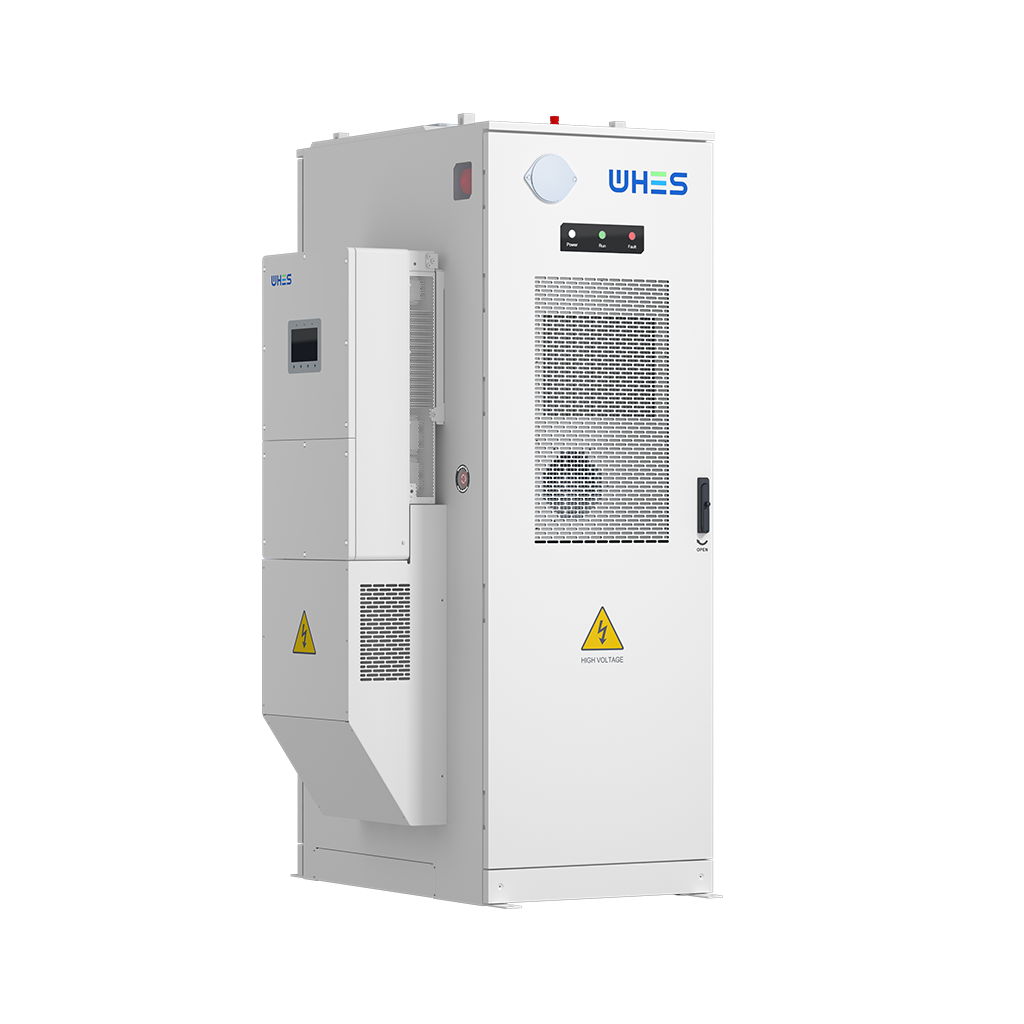
When specifying systems, embed measurement expectations in contracts: SoH reporting cadence, accepted test methods, and thresholds for capacity fade that trigger remedies. Balance is key — overly strict pass/fail limits raise procurement costs; loose definitions invite disputes. Consider integrated solar power energy storage solutions when you prefer single-vendor accountability for telemetry, firmware, and mechanical integration. That approach simplifies commissioning and keeps a single data model for long-term trending.
Common mistakes and how to avoid them
Teams often stumble on three fronts: inconsistent SoH definitions across stakeholders, ignoring ambient and operational context when comparing lab and field data, and under-investing in event logging around anomalies. Fixes are straightforward: adopt a documented SoH formula, normalise data for temp and DoD before comparison, and require chronological event logs with sufficient pre- and post-event buffer to understand causality.
Case note — a simple real-world anchor
During the 2020–2021 western US heatwaves, operators found that systems with rigorous SoH baselines and tight BMS integration delivered more reliable capacity than similarly sized installs without such controls. That practical lesson underlines how early investment in test and telemetry pays off during stress events — both for grid support and commercial returns.
Three golden rules for procurement and operations
1) Standardise metrics first: agree on SoH calculation, cycle counting method, and temperature compensation before procurement. 2) Demand verifiable run-in and commissioning data: require sample logs from formation, cell sorting records, and high-voltage commissioning reports. 3) Prefer integrated accountability: systems where hardware, BMS, and analytics are supplied together reduce data translation errors and speed fault resolution.
Applied well, these rules shorten time-to-value and lower lifecycle risk. For projects that need an integrated path from commissioning to multi-year operations, WHES often provides the packaged controls and field-tested processes that make SoH tracking and cycle-life forecasting practical rather than aspirational. —