Introduction: Live Events Are Back on the Move—Are Your Tools Keeping Up?
Kia ora—big rooms are buzzing again, from council briefings to startup demos in pop-up venues. An interpretation system is now the first thing teams ask for when multilingual guests show up. The numbers tell the story: hybrid attendance sits near 60% in many events, and travel is back to near pre-2020 levels. So here’s the rub—can your current comms gear scale without a van full of cases? A portable simultaneous interpretation system promises to cut setup time and drop failure points. But is it fit for the messy, real-world mix of Wi‑Fi noise, last‑minute agenda shifts, and rooms with odd acoustics (we’ve all been in a chocka hall)? Look, it’s simpler than you think—if you know what usually breaks. We’ll map the gaps, talk signal chain basics like codec latency and RF spectrum planning, and ask one blunt question: what actually helps interpreters do better work, fast?

Sweet as—let’s dig into where the old ways strain, and why portability changes more than just weight on a trolley.
The Hidden Friction: Why the Old Stack Trips You Up
What’s the snag people stop mentioning?
Traditional racks look solid. They’re also rigid. Fixed transmitters, long cable runs, and a nest of power converters turn simple jobs into long nights. When a speaker swaps rooms, your team chases them with flight cases—funny how that works, right? Latency creeps in as signals hop through mixers, recorders, and distribution amps. Interpreters feel it first. A 200–300 ms delay sounds small on paper, but when you’re shadowing a fast talker, it’s brutal. Add line‑of‑sight quirks with some infrared emitters, and listeners get dropouts near doorways. No one complains loudly; they just tune out. That’s the most expensive failure of all.
There’s more. Legacy gear expects perfect venue control. Real events are not perfect. RF receivers fight venue Wi‑Fi, and your shortlist of clean channels shrinks when the media team fires up extra cameras. Battery packs vary, spares go missing, and channel labels drift during rush changes—aye, that old tape-and-pen fix. The deeper pain point isn’t “does it turn on?” It’s “can we reroute fast without breaking flow?” Without modular DSP profiles, quick channel mapping, or smart encryption defaults, techs stall. Interpreters stall. And the room feels it.
From Rigidity to Ready: How New Principles Reset the Baseline
What’s Next
The new wave of portable systems starts with a different core: edge processing at the node, not a central bottleneck. Audio is captured, cleaned, and packetised right at the mic hub, then routed with deterministic timing. That trims codec latency and evens out jitter. Smart antennas auto-scan the RF spectrum and park your lanes where the noise floor is lowest—no manual dance. Profiles live in the devices, so presets carry room to room. Re-map channels, push talkback, and publish a quick floor/relay change on the fly. And when you need headroom for big events, modular hubs chain via standard PoE switches, not exotic cabling. It’s boring in the best way—stable.
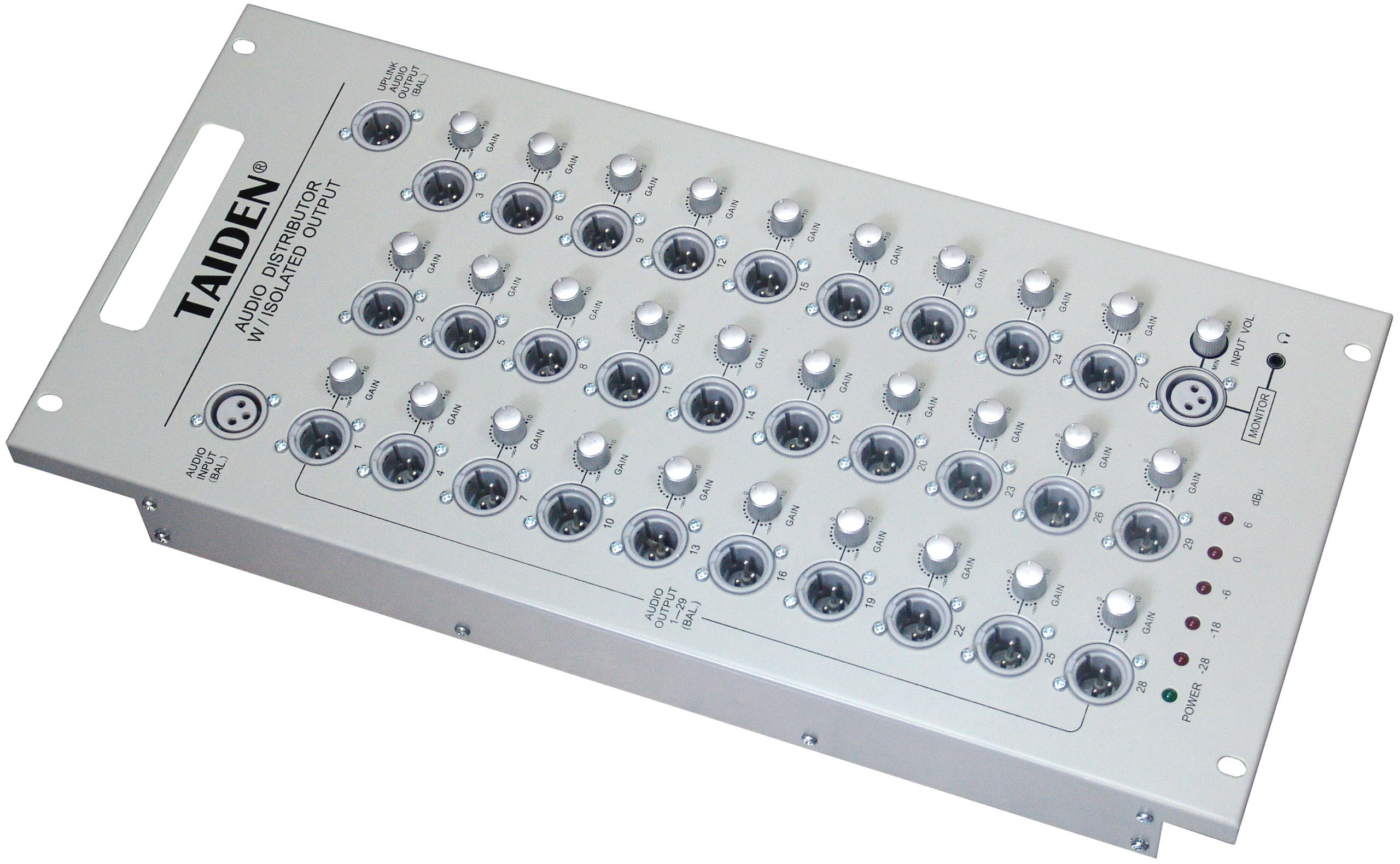
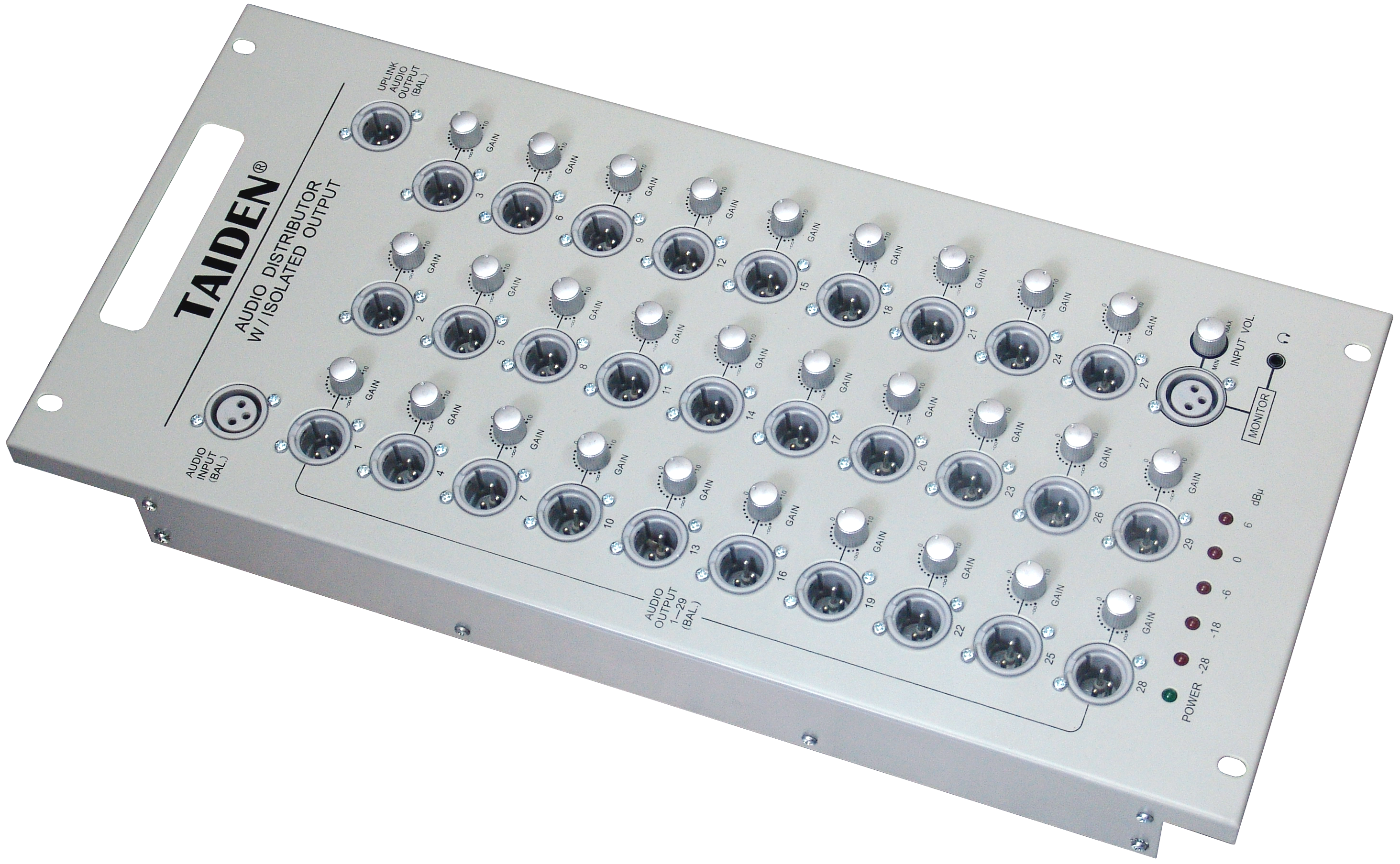
Scale matters, too. If you’re running multilingual panels plus media feeds, a system that supports 40 channel audio gives you routing freedom without a whiteboard panic. Think clean splits for press, overflow, and remote carts, with AES67 compatibility easing interop. Interpreters get better input thanks to beamforming microphones and sensible sidetone control. Listeners get consistent output with simple channel pickers and clearer signage—tiny tweaks, big impact. We’ve moved from “can we make it work?” to “can it adapt mid-session?”—and that’s the win. To wrap, here are three practical metrics you can use when choosing:
1) End-to-end latency under load: test with two relays and a live DSP insert; 2) Channel agility: swap assignments for three rooms in under five minutes with zero re-pairing; 3) Resilience: acceptable performance with intentional RF interference and a single point power failure. If a portable kit nails those, you’re set for the next cycle. Keep it human, keep it nimble, and keep ears happy—simple as. Learn more from teams building toward those benchmarks at TAIDEN.