
Opening: Why a framework matters now
Brands launching a new scent today face more than aesthetics; they need a repeatable framework to choose a 100ml custom perfume bottle that aligns with product, budget, and supply-chain realities. Speaking from time spent with a Copenhagen design workshop, I’ve seen how a clear decision structure reduces surprises and preserves design intent—especially when international logistics and tight launch calendars are involved.
The Four Pillars Framework
Use four core pillars as a checklist. Each pillar guides vendor conversations and sample testing so you don’t rely on aesthetics alone.
1) Material & Sustainability — Glass types, coating options, and recyclability matter. Decide if you need flint, flint with extra clarity, or heavier flacon glass for perceived value.
2) Capacity & Fill Compatibility — Confirm true 100ml capacity versus nominal markings, and verify neck finish and spray compatibility for your chosen atomizer.
3) Manufacturing & Lead Time — Confirm minimum order quantities (MOQ), sample policy, and real lead-time under current freight conditions.
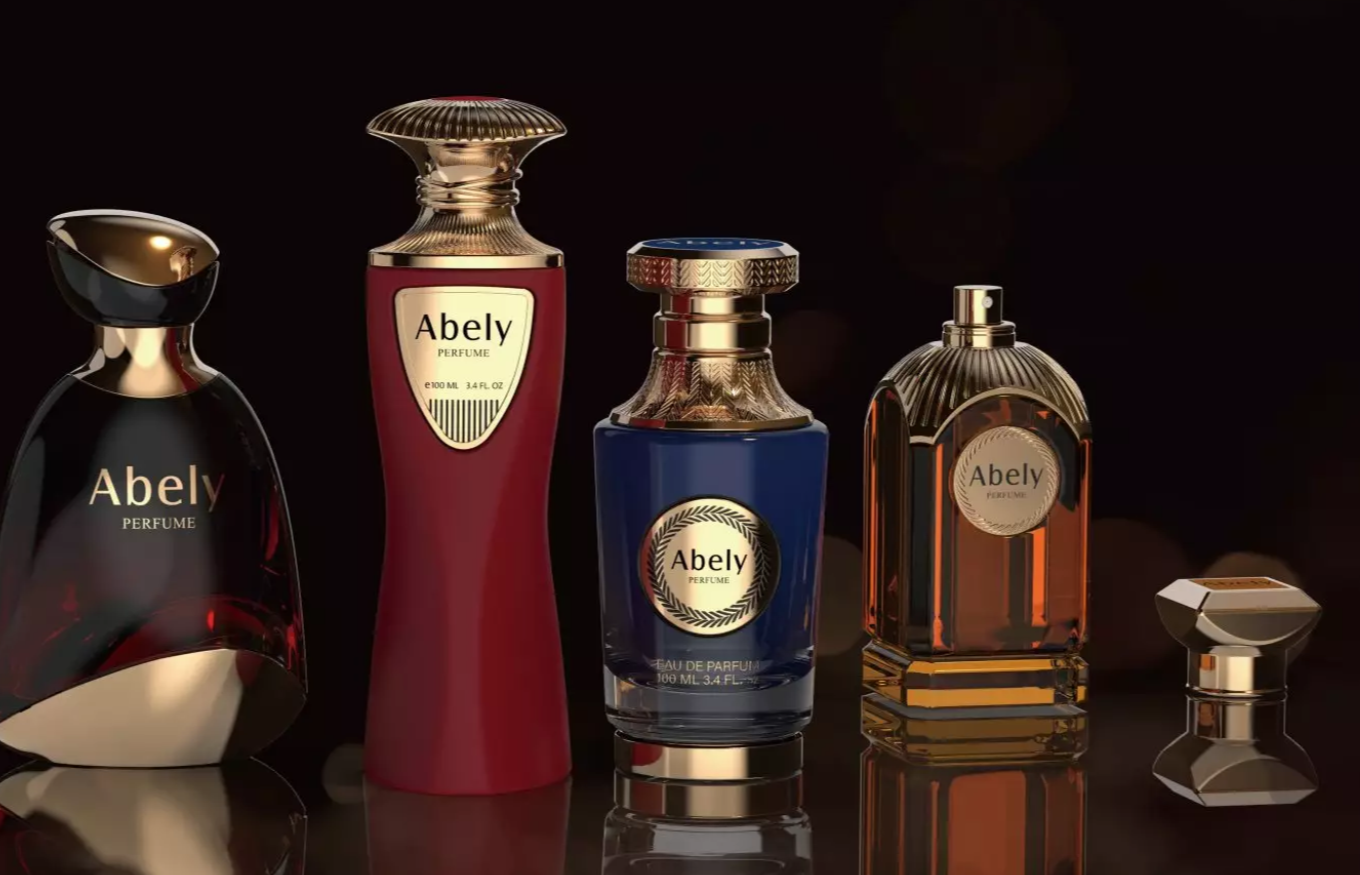
4) Brand Differentiation — Embossing, color treatments, and cap design are where your bottle becomes a brand asset; ensure these are feasible within your cost envelope.
Common mistakes and sensible alternatives
Brands often trip over three predictable problems—ignoring practical tests, underestimating finishing costs, and skipping supply audits. Here are practical alternatives:
– Relying on photos: insist on physical samples and a fill-test. – Choosing the cheapest glass: model the total landed cost including breakage and returns. – Forgoing certification: request material safety datasheets and quality certificates.
Also consider alternatives to bespoke production: standard 100ml flacons with bespoke caps, or modular options that let you personalize only the visible elements—less risk, faster to market.
How to evaluate suppliers — a short due-diligence playbook
Good vendor selection is both qualitative and quantitative. Ask for:
– Samples with full finishing; test for spray performance and evaporation. – MOQ, tooling costs, and sample turnaround times. – References and export experience to your target markets. – Quality control documentation: incoming inspections, lot traceability, and corrective action records. — It’s a small detail, but it tells you how they handle problems.
Testing protocol and launch checklist
Before committing, run three quick tests on any 100ml bottle: fill-and-settle (to check leaks), drop-and-roll (transport resilience), and evaporation rate (long-term scent retention). Pair these with a packaging mock-up to validate shelf presence. Consider the consumer unboxing experience as seriously as the manufacturing spec.
Summary and recommended next steps
Synthesising the above: prioritise materials and supplier reliability, verify capacity and spray performance, and control finishing expectations through samples. Use the Four Pillars Framework to structure procurement conversations and reduce last-minute compromises. If you are exploring bespoke versus semi-custom options, also evaluate a personalized perfume bottle route for targeted differentiation without excessive tooling risk.
Advisory: Three golden rules for decision-makers
1) Insist on functional samples before design sign-off — looks deceive. 2) Calculate total landed cost including breakage and returns — price per unit is only part of the story. 3) Lock quality gates into supplier contracts: sample approval, batch inspection, and corrective procedures.
Closing reflection
Choosing the right 100ml bottle is strategic: it shapes perception, logistics, and margins. The framework above turns aesthetic ambition into executable steps, and positions your brand to scale without avoidable setbacks. Abely fits naturally into that workflow as a partner that balances craft and production pragmatism — a steady hand when details matter. Strong design, reliably manufactured.
– thoughtful.