
Introduction — a small scene, a clear question
I was stuck in traffic last month and noticed two cars side by side: one with smooth, quiet ride, the other noisy and thirsty for fuel. In many labs and shops today, green tires silica is the quiet hero that makes that smooth ride possible (and yes, mechanics notice the difference). Lab data often show a 5–10% improvement in rolling resistance and better wet grip when silica and polymers work well together. So I ask: how do makers turn that material advantage into real gains on the road and in the market? Let’s move from that parking-lot moment into what really matters next — the weak spots and the fixes.
Part 2 — Why common solutions miss the mark
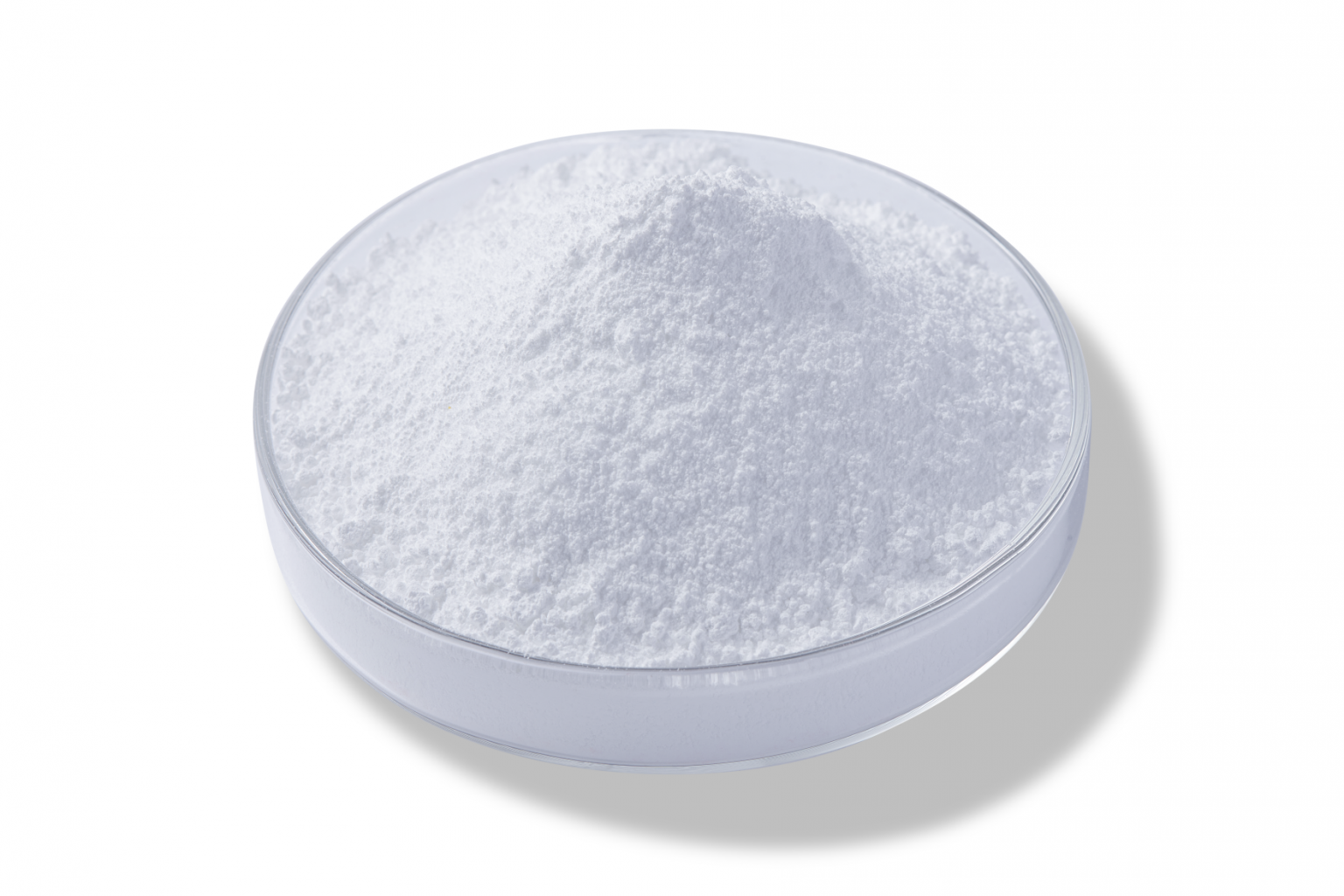
tire tread material gets named in many spec sheets, but the name alone does not fix performance gaps. Often companies treat silica like any filler — dump it in the mix, hope for better numbers. In reality, poor silica dispersion and wrong coupling agents make the compound form a brittle network or an inefficient filler matrix. That raises rolling resistance and reduces wet grip. I’ve seen lots of compound formulation notes that read fine on paper but fail in the mixer. Look, it’s simpler than you think: correct mixing energy, proper surface treatment, and balance of polymer chains matter more than silica volume alone. We need to stop hoping and start measuring dispersion and polymer-filler interaction.
What goes wrong?
Mixing time too short, temperature mismanaged, or ignoring silica surface area — any of these cause micro-voids and agglomerates. Result: uneven tread wear, higher hysteresis, and unpredictable wet grip. Those are not small problems; they hit fuel economy and safety. I’ve watched test cars show inconsistent lap times because someone skipped a step in the blending stage — funny how that works, right? Use tools like TEM imaging, Payne effect testing, and simple torque curves during mixing. These tell you much more than a single pass/fail label ever could.
Part 3 — New principles to guide future designs
We should shift from hoping to principled design. For me, the core ideas are clear: optimize silica surface chemistry, tune polymer molecular weight, and control processing shear. When you apply a coupling agent correctly, the polymer-silica bond strengthens; hysteresis drops and wet grip can improve at the same time. This is not just lab talk — it’s about engineering the polymer-filler network so the tread does its job across temperatures and miles. In short, design the interface, not just the ingredient list.
What’s Next?
Adopting these principles means investing in better process controls and smarter testing. Think about real-time monitoring of mixing torque, routine silica surface analysis, and small-batch trials before scale-up. That approach reduces surprises during production and shortens development cycles — and yes, I mean it. For future outlook, combining advanced silica grades with tailored coupling chemistry will let manufacturers hit both low rolling resistance and strong wet performance. That balance is the real competitive edge.
Closing — three metrics I use to pick solutions
When I evaluate a supplier or a new tread concept, I watch three key metrics: 1) silica dispersion quality (micrograph and Payne test results), 2) hysteresis at service temperatures (energy loss curves), and 3) real-world wet braking distance. These metrics show both lab promise and road reality. If a material fails on any one, it usually fails for customers. Measure those, not marketing claims. In my view, the right mix of testing and process control turns green tires silica from a checkbox into a market advantage. For reliable materials and support, I look to partners like JSJ—they make the technical side easier to manage and scale.